
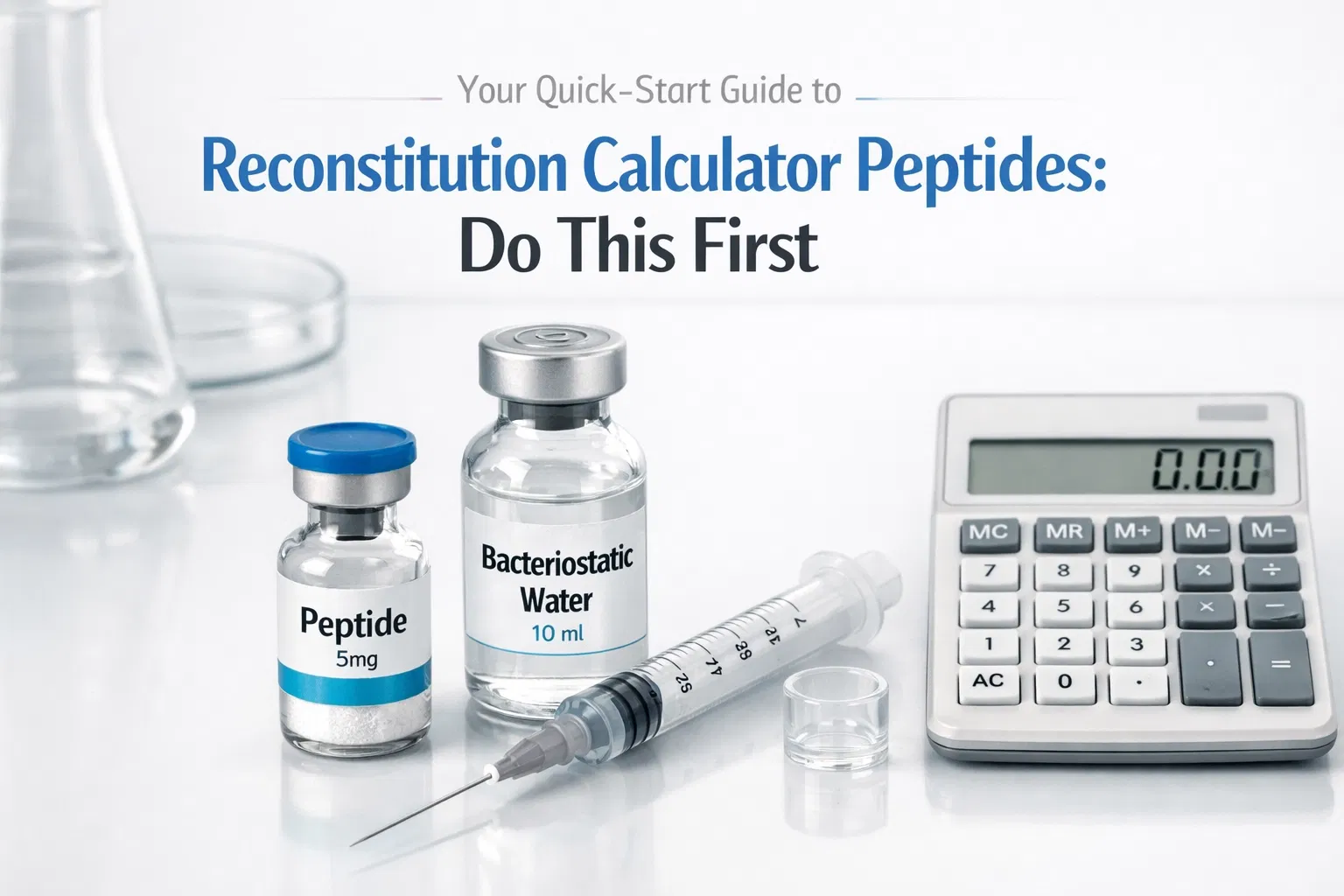
Your Quick-Start Guide to Reconstitution Calculator Peptides: Do This First

Hi Mate! Welcome to the inner circle of WeightLossChems. If you’ve just received your latest shipment of high-purity lyophilized powders, you’re likely standing at the threshold of a metabolic revolution. You have the tools to unlock a leaner, more vibrant version of your research subjects, but there is one critical hurdle every serious researcher must clear first: the math.
Precision is the hallmark of scientific luxury. When you are dealing with potent compounds like Tirzepatide or Retatrutide, "guesstimating" is simply not an option. Today, we are diving deep into the world of the reconstitution calculator peptide protocols to ensure your research stays on track, your results stay consistent, and your vials stay sterile.
Why Reconstitution Is the Foundation of Success
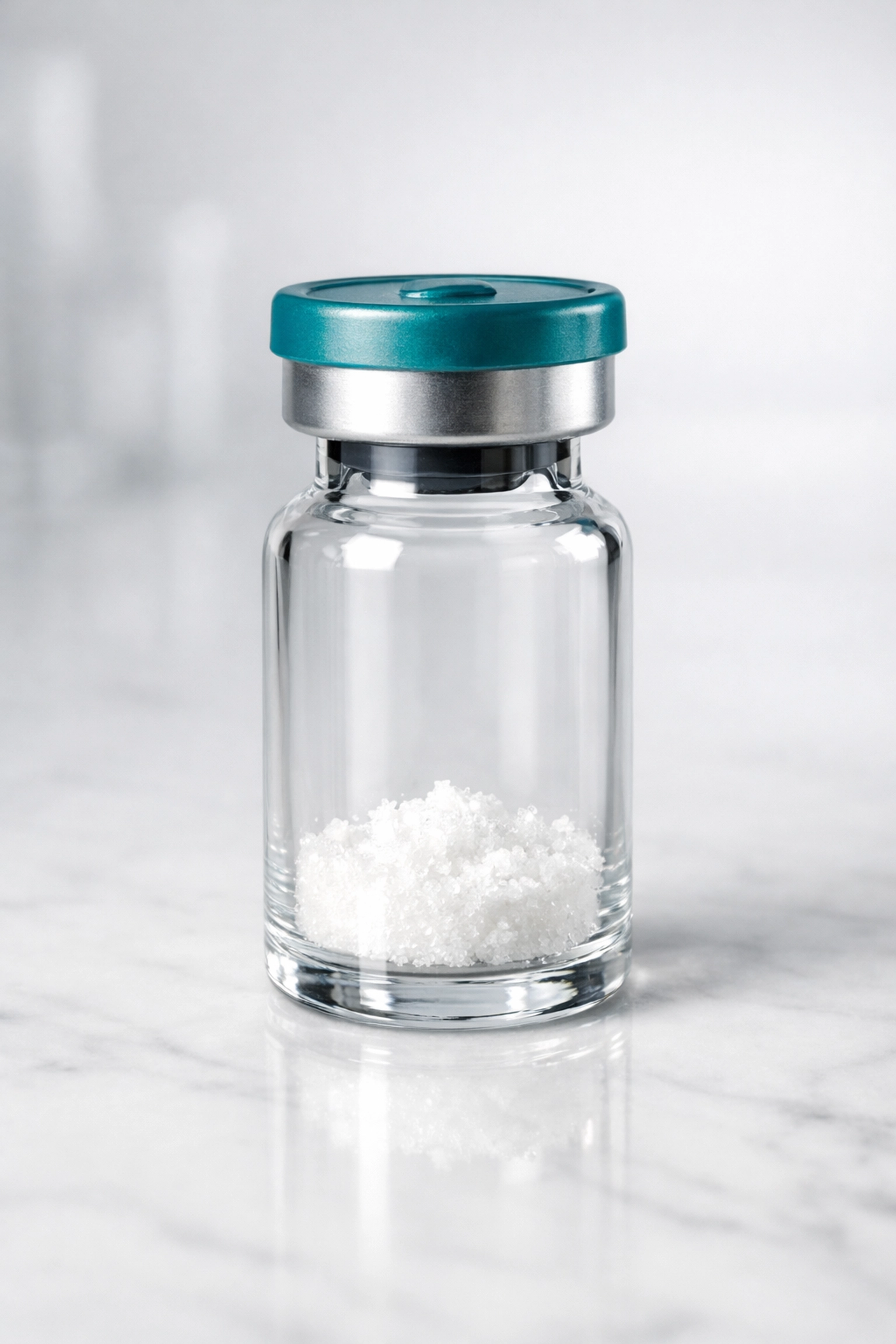
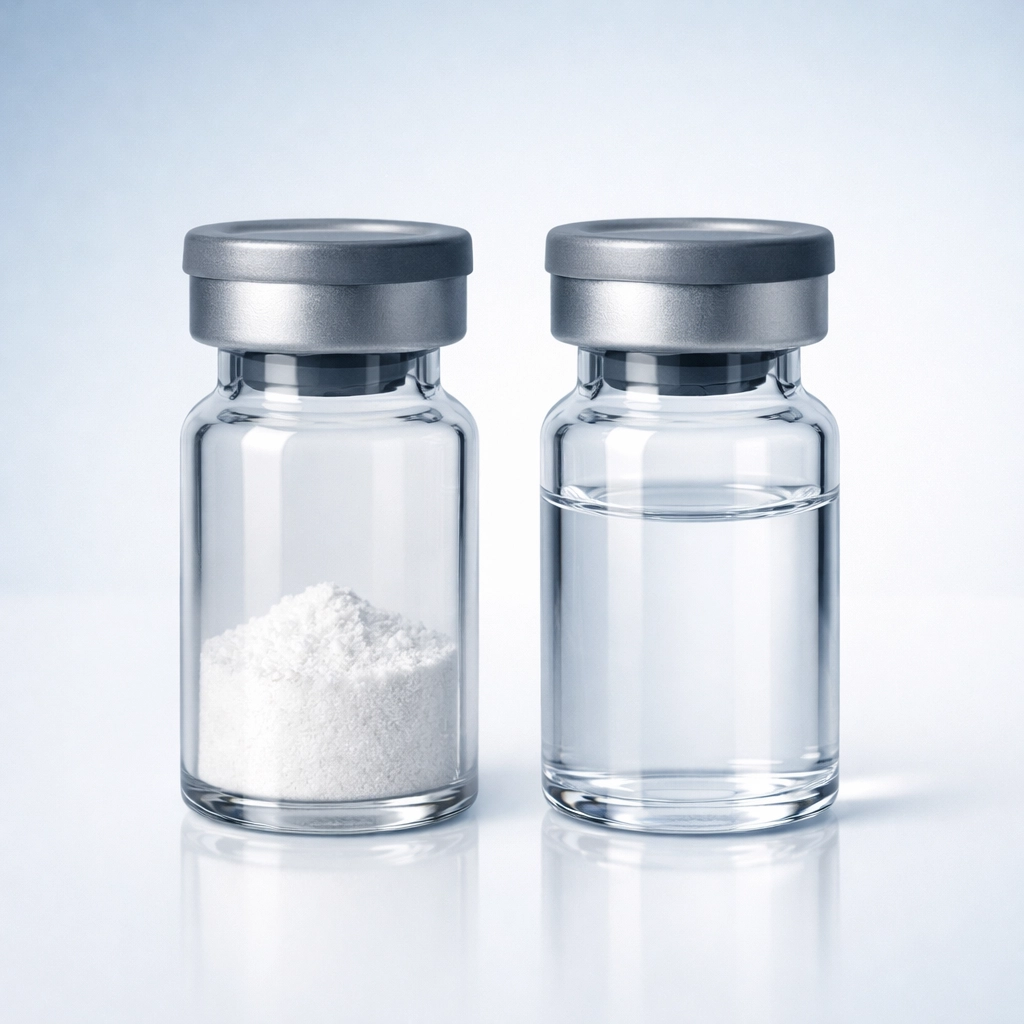
Most high-end research peptides arrive as a lyophilized (freeze-dried) powder. This state ensures the highest level of molecular stability and prevents premature degradation. However, to activate these compounds for research, you must introduce a solvent, specifically, bac water for peptides.
Reconstitution is more than just "mixing." It is a delicate process of transforming a fragile powder into a bioavailable liquid solution. If done incorrectly, you risk damaging the peptide’s delicate structure or, worse, miscalculating the dosage. That is where a peptide calculator dosing tool becomes your best friend in the lab.
The Essential Toolkit: What You Need Before Starting
Before we even touch the calculator, you need to ensure your "wet lab" environment is ready. Precision requires the right hardware.
- The Peptide Vial: Your lyophilized compound (e.g., 5mg, 10mg, or 15mg of Tirz).
- Bacteriostatic Water (Bac Water): This is sterile water containing 0.9% benzyl alcohol, which acts as a preservative to prevent bacterial growth within the vial once opened.
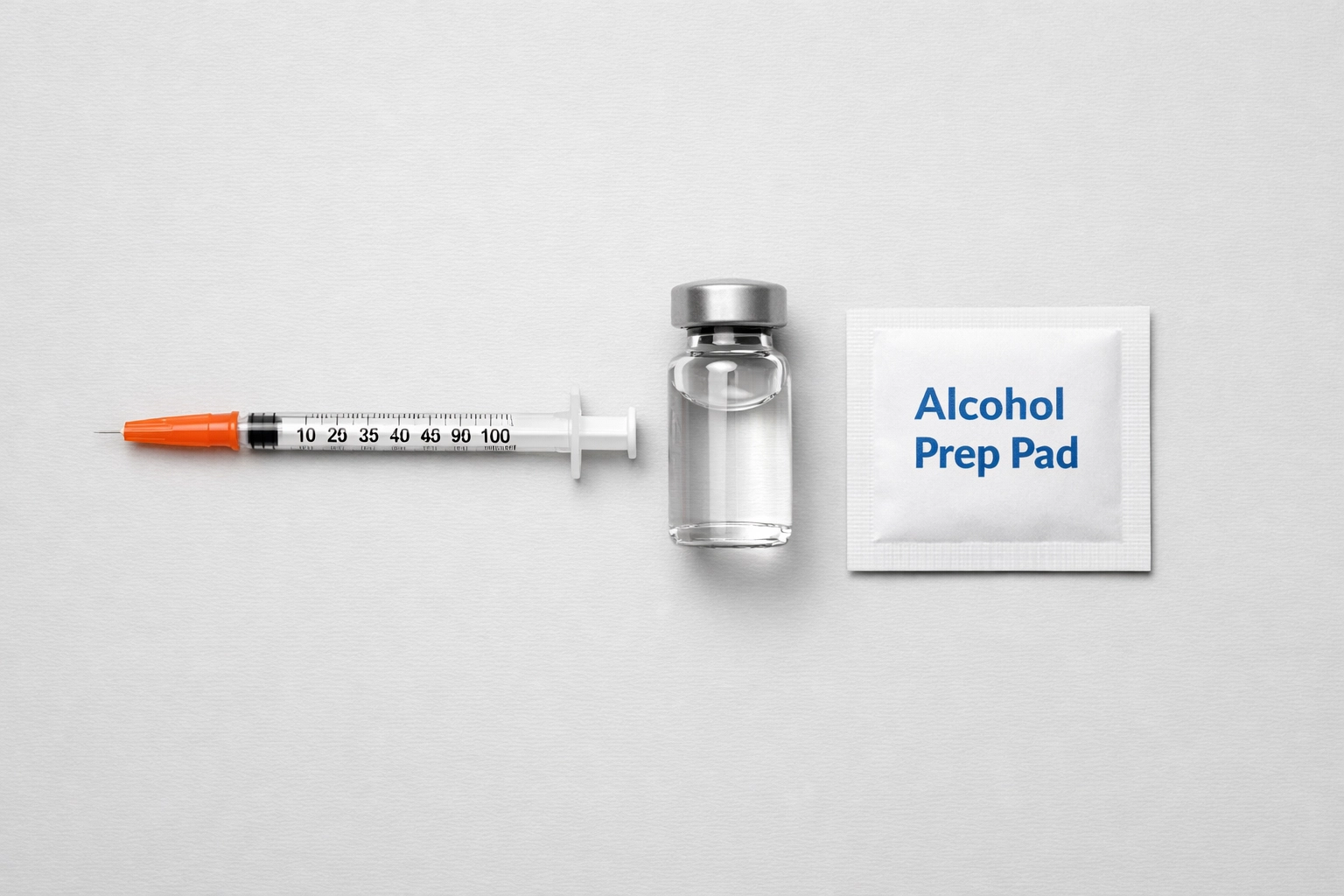
- Alcohol Prep Pads: For sanitizing the tops of your vials and your workspace. Sterility is non-negotiable.
- Insulin Syringes: Typically 1ml (100 units) or 0.5ml (50 units). These are the industry standard for micro-dose accuracy.
- A Reliable Reconstitution Calculator Peptide Tool: To take the guesswork out of the milligram-to-microgram conversion.
Video Guide: Mastering the Reconstitution Process
Sometimes, seeing the process in action is the fastest way to achieve mastery. We’ve selected this expert breakdown to show you exactly how to handle your gear without compromising the integrity of the peptide.
Step 1: The Math (The "Secret Sauce" of Dosing)
Using a peptide calculator dosing tool is about understanding three variables. If you input these correctly, the calculator handles the dense medical jargon and conversions for you.
- Vial Amount (mg): How much total powder is in the bottle? (e.g., 5mg).
- Bac Water Volume (ml): How much liquid are you adding? (e.g., 2ml).
- Desired Dose (mcg): How much do you want to pull for a single application? (e.g., 250mcg).
Pro-Tip: Remember that 1mg = 1,000mcg. If your calculator asks for milligrams and you want a dose of 500mcg, that is 0.5mg. Understanding these metabolic pathways and units is what separates the novices from the VIP researchers.
Step 2: Sanitization and Prep
Hi Mate, don't skip this. Even the most advanced "triple agonist" compounds won't help your research if the vial becomes contaminated.
- Wash your hands thoroughly.
- Pop the plastic cap off your peptide vial and the bac water.
- Vigorously swab the rubber stoppers with an alcohol pad. Let them air dry for 30 seconds. This step is essential to maintain the "scientific luxury" standard of your lab.
Step 3: Adding the Bac Water for Peptides
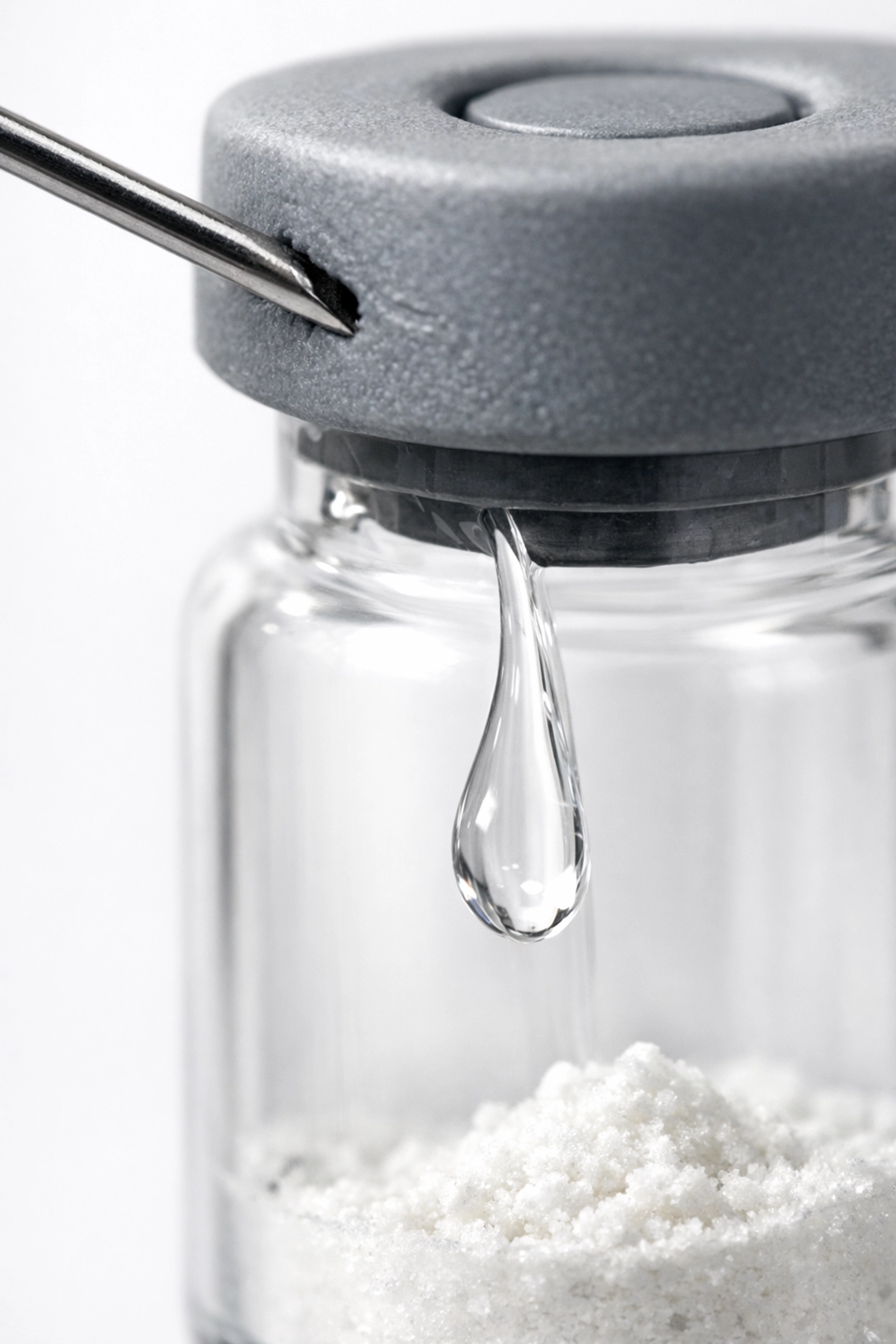
This is where many beginners make a mistake. Peptides are held together by delicate peptide bonds. If you blast them with a direct stream of water, you can "bruise" or shear the molecules, rendering them less effective.
- Draw your desired amount of bac water for peptides into your syringe.
- Insert the needle through the stopper of the peptide vial.
- The Vacuum Effect: Many vials have a vacuum seal. Let the vacuum pull the water in slowly.
- The "Side-Wall" Technique: Aim the needle toward the glass wall of the vial rather than directly at the powder. Let the water trickle down the side gently.
Step 4: The Gentle Dissolve
Once the water is in, DO NOT SHAKE THE VIAL. Shaking causes bubbles and can denature the protein. Instead, gently swirl the vial between your palms or on the table until the liquid is crystal clear. If the solution remains cloudy, it may need more time to sit at room temperature, or the peptide may be of lower quality (which won't happen if you're sourcing from WeightLossChems!).
How to Read Your Syringe After Using the Calculator
Once your reconstitution calculator peptide tool gives you a number: let’s say "10 units": you need to know how to find that on your syringe.
- On a standard U-100 (1ml) syringe, each small "tick" mark is usually 2 units.
- If your calculator says 10 units, you pull back the plunger until the top ring of the black stopper aligns with the "10" mark.
- Always double-check your math. Re-calculate twice, pull once.
Troubleshooting Common Research Hurdles
"My calculator says to pull 2.5 units, but I can't see that on my syringe!"
If your dose is too small to measure accurately, you need to add more bac water to the vial. This dilutes the solution, making the "pull" volume larger and easier to see. Simply re-enter the new water volume into your peptide calculator dosing app to get the updated unit count.
"What if I added too much water?"
Don't panic. The amount of water doesn't change the total amount of peptide in the vial; it only changes the concentration. You will just have to inject a larger volume of liquid to get the same dose.
Storage: Preserving the Revolution
After you’ve successfully used your reconstitution calculator peptide protocol, your solution is now "active." Most peptides are highly sensitive to heat and light.
- Refrigeration is Mandatory: Store your reconstituted vials in the fridge (between 2°C and 8°C).
- Avoid the Door: Don't store them in the fridge door; the temperature fluctuates too much every time you grab a snack. Keep them in the back or in a dedicated container.
- Shelf Life: Most reconstituted peptides stay potent for 30 to 60 days if kept cold and away from UV light.
Unlock the Potential of Your Research
At WeightLossChems, we believe that providing the highest quality research materials is only half the battle. Empowering you with the knowledge to use them safely and effectively is the other half. When you master the reconstitution process, you ensure that every microgram of your investment is working toward your research goals: whether that's metabolic optimization, fat loss research, or muscle recovery.
Ready to take your research to the next level? Join our VIP Club for exclusive drops on the latest bioregulators and metabolic agonists. We’re here to help you transform your data and revolutionize your results.
Disclaimer
This guide is intended for informational and educational purposes only. The products discussed, including research peptides, are intended for laboratory research use only and are not for human consumption or diagnostic/therapeutic use. Always consult with a qualified professional and adhere to all local laws and regulations regarding the handling of research chemicals. WeightLossChems does not condone the unauthorized use of these substances.