
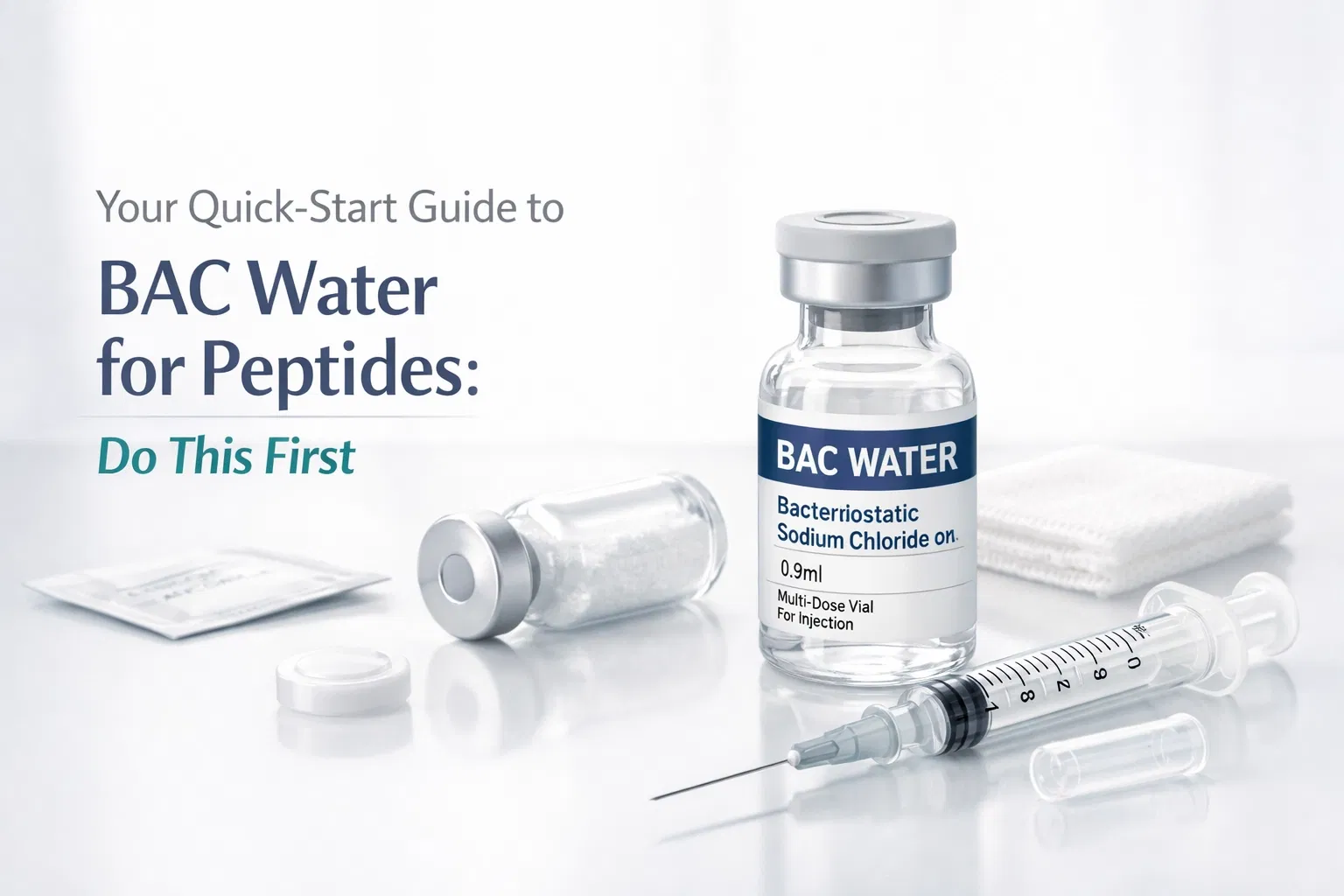

Hi Mate! Welcome to the inner circle of high-performance research. If you’ve just received your latest shipment from WeightLossChems, you’re probably looking at those tiny vials of lyophilized powder and wondering, "Alright, how do I actually turn this into a usable solution?"
Before you even think about starting your research protocol, you need to master the foundation: bac water for peptides. Reconstitution is the bridge between a shelf-stable powder and a transformative metabolic tool. If you mess this up, you risk degrading your research materials or, worse, introducing contaminants into your study.
At WeightLossChems, we believe in "scientific luxury." That means providing you with the highest-grade materials while ensuring you have the expert knowledge to handle them like a pro. This guide will walk you through everything from using a reconstitution calculator peptide to the final "gentle swirl." Let’s unlock the potential of your research.
Why Bacteriostatic Water is the Gold Standard
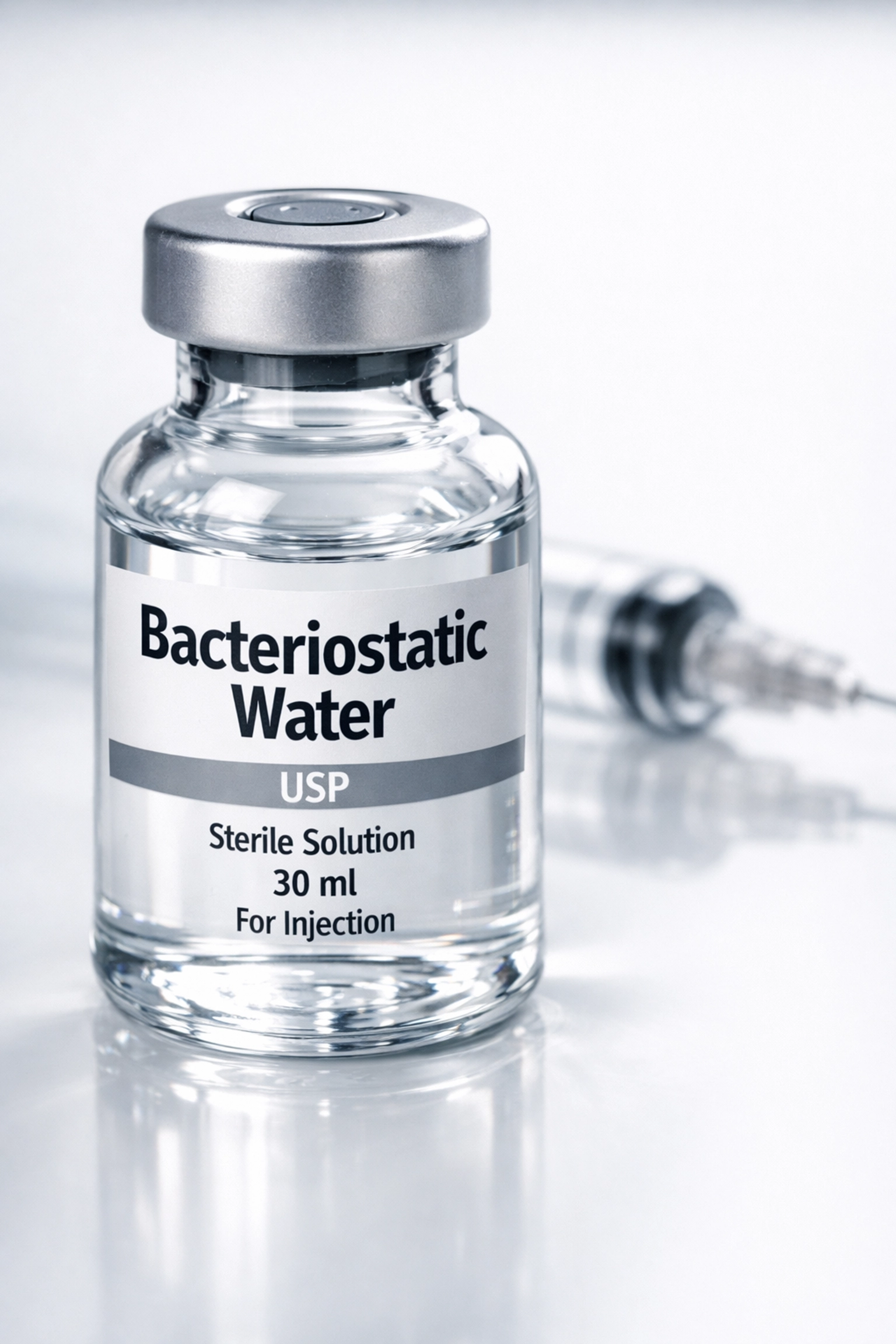
You might see "Sterile Water" or "Deionized Water" at the local chemist, but for research p3pt1des, Bacteriostatic (BAC) Water is the only way to go.
BAC water is essentially highly purified, sterile water containing 0.9% benzyl alcohol. That tiny bit of alcohol is the "secret sauce": it acts as a preservative, inhibiting the growth of bacteria for up to 28 days. Since research vials are often multi-use, you need that antimicrobial protection to keep your solution pristine. Using plain sterile water is a rookie mistake; without the benzyl alcohol, bacteria can colonize the vial the moment the needle breaks the seal.
Step 0: The Math (Using a Reconstitution Calculator Peptide)
Precision is the hallmark of elite research. Before you pop the cap off your vial, you must determine exactly how much liquid you need. This is where a reconstitution calculator peptide becomes your best friend.
The volume of BAC water you add determines the concentration. If you add too much, your dose becomes diluted; too little, and it’s too concentrated.
The Master Formula:
Total mg of Peptide / Desired Concentration (mg/mL) = mL of BAC Water needed.
| Peptide Amount (mg) | Desired Concentration | BAC Water to Add (mL) |
|---|---|---|
| 5mg | 5mg / mL | 1.0 mL |
| 5mg | 2mg / mL | 2.5 mL |
| 10mg | 5mg / mL | 2.0 mL |
| 10mg | 2mg / mL | 5.0 mL |
Most researchers prefer a concentration that makes the math easy: for example, 100mcg per "tick" on a standard syringe. Always run your numbers through a digital calculator before proceeding to ensure your metabolic pathways are being stimulated exactly as intended.
The Scientific Luxury Toolkit: What You Need
To perform a clean, professional reconstitution, gather your supplies in a sterile environment. Don't cut corners here; your research deserves the best.
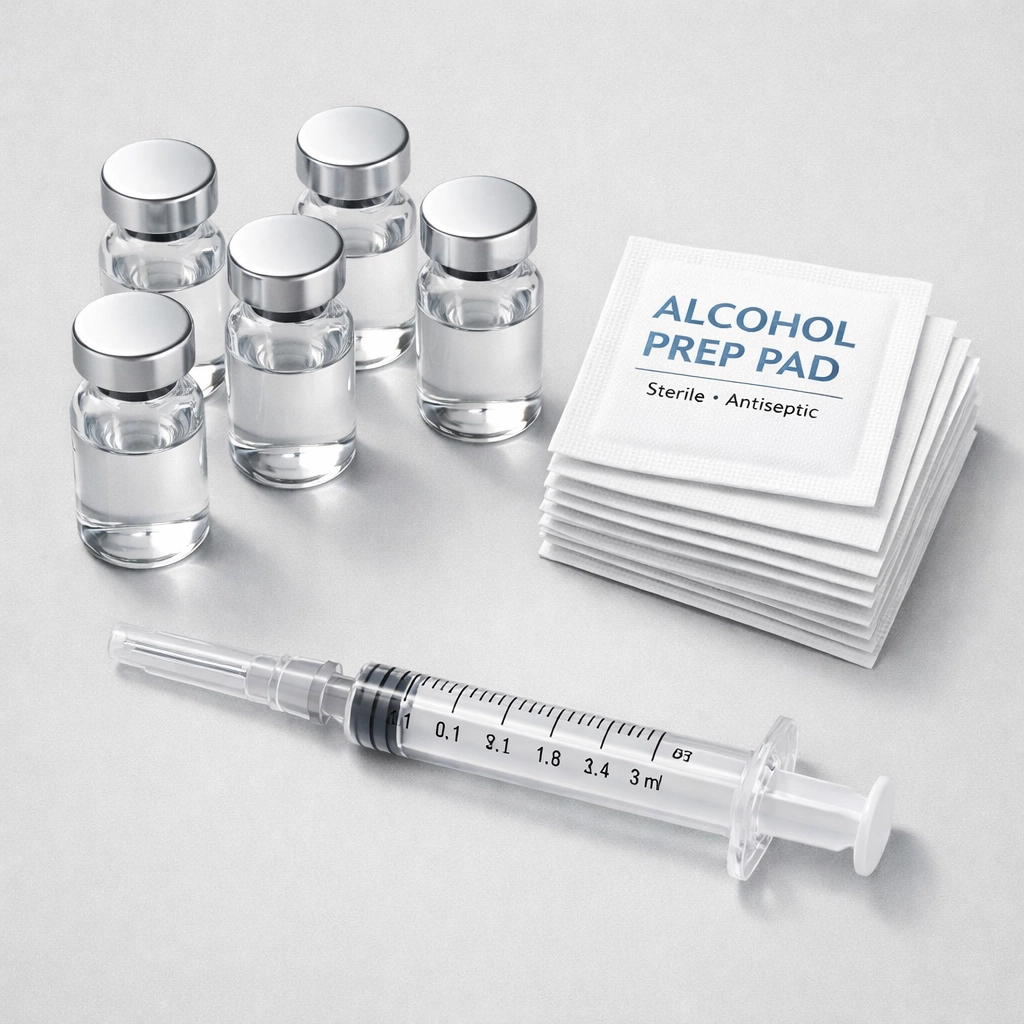
- BAC Water (Bacteriostatic Water): The 0.9% benzyl alcohol variant.
- Lyophilized Peptide Vial: Your high-purity powder from WeightLossChems.
- Reconstitution Syringe: Usually a 3mL or 5mL syringe with a larger gauge needle (23-25G) to draw the water quickly.
- 70% Isopropyl Alcohol Swabs: For absolute sterilization of the vial stoppers.
- Disposable Gloves: To maintain a "clean room" standard.
- Alcohol Prep Pads: For your hands and surfaces.
The Step-by-Step Reconstitution Protocol
Now that you have your math and your tools, it’s time to perform the "Scientific Glide." Follow these steps to ensure you don't damage the delicate molecular structure of the p3pt1des.
1. Sanitize Everything
Wipe down your workspace. Put on your gloves. Pop the plastic "flip-off" caps from both the BAC water and the peptide vial. Use a fresh alcohol swab to vigorously clean the rubber stoppers of both vials. Let them air dry: do not blow on them, as this introduces breath-borne bacteria.
2. Equalize the Pressure
Peptide vials are often vacuum-sealed. If you just plunge water in, the pressure change can "spray" the powder, potentially damaging the peptide chains.
- Draw 1mL of air into your reconstitution syringe.
- Inject that air into the BAC water vial. This makes drawing the liquid out much smoother.
3. Draw the BAC Water
Invert the BAC water vial and draw your calculated amount of liquid (e.g., 2.0 mL). Slow and steady wins the race here. Ensure there are no large air bubbles in the syringe.
4. The "Gentle Glide" Injection
This is the most critical step. Insert the needle into the peptide vial at a slight angle. Aim the needle toward the glass wall of the vial rather than spraying directly onto the powder.
- Slowly depress the plunger. Let the BAC water trickly down the side of the glass.
- You will notice the powder starting to dissolve instantly.
5. The No-Shake Rule
Never shake your p3pt1des. These are fragile amino acid chains. Shaking can cause "shearing," effectively breaking the molecules and rendering the research useless. Instead, gently swirl the vial between your palms or let it sit in the refrigerator for 10-15 minutes. The powder will naturally dissolve into a crystal-clear solution.
Video Guide: How to Reconstitute Like a Pro
Sometimes, seeing is believing. We’ve sourced this high-level walkthrough to show you the physical technique of using bac water for peptides. Watch the hand placement and the speed of the injection carefully.
Storage and Longevity: Protecting Your Investment
Once reconstituted, your p3pt1des are in their most vulnerable state. To maintain the "Scientific Luxury" quality of your WeightLossChems products, you must follow strict storage protocols:
- Temperature: Reconstituted vials must stay in the refrigerator (2°C – 8°C). Do not freeze them once liquid is added, as ice crystals can tear the peptide bonds.
- Light Sensitivity: Keep your vials in the dark. UV light is the enemy of stability. Many researchers keep their vials inside a small, opaque container within the fridge.
- The 28-Day Clock: Because you used BAC water, the solution is stable, but most experts recommend completing your study within 4 weeks of reconstitution for maximum potency.
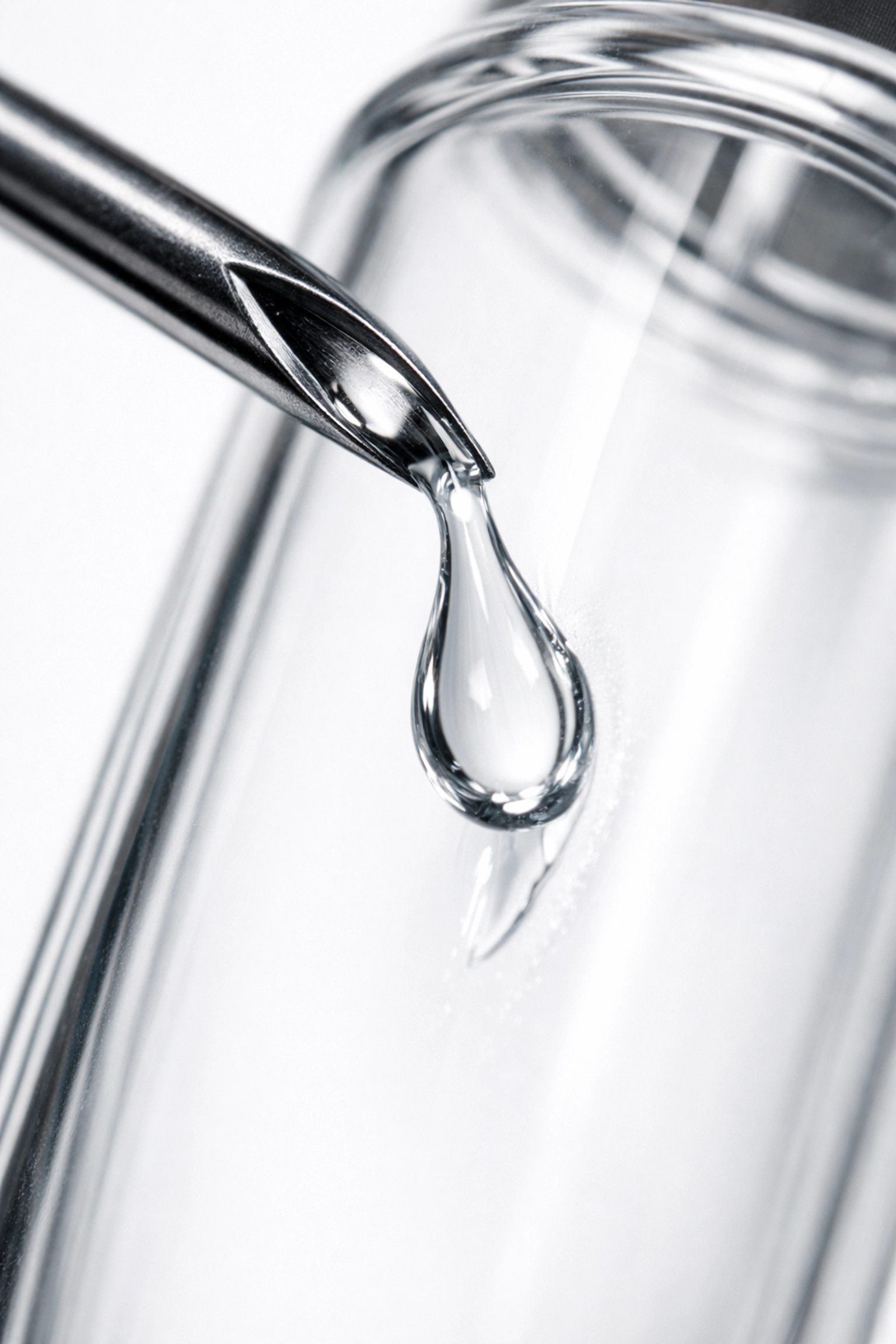
Troubleshooting Common Issues
"The solution is cloudy."
If the solution remains cloudy after 20 minutes of sitting, it could indicate a few things: a pH imbalance, a high concentration, or (rarely) a compromised batch. At WeightLossChems, our purity levels are ultra-high, so cloudiness is rare. Try letting it sit for another hour in the fridge.
"The vacuum sucked the water in too fast!"
If the vacuum was stronger than expected and the water "crashed" into the powder, don't panic. While not ideal, most modern triple-agonist peptides are more resilient than older research chemicals. Continue the study, but be more mindful of the needle angle next time.
"I ran out of BAC water!"
Never substitute BAC water with tap water, bottled water, or even standard saline. If you run out, stop your study and wait for a fresh supply of bac water for peptides. Your health and the integrity of your research are worth the 2-day shipping delay.
Join the Elite Research Community
Mastering the use of a reconstitution calculator peptide and the art of sterile mixing separates the amateurs from the true researchers. When you’re dealing with high-end compounds like Retatrutide or Tirzepatide, you aren't just "trying a supplement": you are conducting precision metabolic science.
Ready to take your research to the next level? Join our VIP Club for exclusive drops on the highest purity p3pt1des on the market. We don't just sell chemicals; we provide the tools for you to Revolutionize your physiological outcomes and Unlock a new version of yourself.
Check out our full range of research materials at WeightLossChems and let's get those results started!