


Hi Mate! If you’ve been keeping even a casual eye on the world of metabolic research lately, you know the atmosphere is electric. We’ve moved past the era of simple appetite suppression and entered the age of total metabolic optimization. While Semaglutide started the fire and Tirzepatide turned up the heat, there’s a new heavy hitter in the lab that’s making everything else look like a warm-up act.
We’re talking about Retatrutide (Ret).
At WeightLossChems, we’re all about staying ahead of the curve, and right now, the curve is pointing straight toward this "Triple Agonist." It’s not just a slight improvement; it’s a categorical shift in how we understand fat loss, energy expenditure, and cellular signaling. If you want to unlock the next level of research potential, you need to understand why Retatrutide is the name on everyone’s lips.
The Evolution of the "Skinny Shot"
To understand why Retatrutide is such a big deal, we have to look at where we started. For years, research focused on GLP-1 (Glucagon-Like Peptide-1). It worked well: it slowed gastric emptying and told the brain it was full. Then came the "Twincretins," adding GIP (Glucose-Dependent Insulinotropic Polypeptide) to the mix. This duo revolutionized the field, offering better glycemic control and fewer side effects.
But Retatrutide? It’s the first-in-class Triple Hormone Agonist. It doesn’t just pull two levers; it hits the metabolic trifecta: GLP-1, GIP, and Glucagon.
The Video Breakdown: Why Ret is Different
Before we dive into the nitty-gritty of the science, check out this breakdown of the buzz surrounding this compound. It perfectly captures why the research community is losing its mind over the "Triple G."
The Triple Agonist Powerhouse: How It Works
Most researchers are familiar with the first two components, but it’s the third: Glucagon: that changes the entire game. Let’s break down the scientific luxury of this molecule:
- GLP-1 (The Satiety Signal): This is your foundation. It targets the "hunger centers" in the brain, helping subjects maintain a caloric deficit without the mental strain of "food noise."
- GIP (The Metabolic Stabilizer): GIP works synergistically with GLP-1 to improve insulin sensitivity and reduce the nausea often associated with single-agonist compounds. It’s the "buffer" that makes high-intensity research possible.
- Glucagon (The Fat Burner): This is the secret sauce. Glucagon increases energy expenditure and directly targets the liver to promote lipid oxidation (fat burning). While the other two hormones focus on intake, Glucagon focuses on output.
By combining these three, Retatrutide (Ret) doesn't just stop you from eating more; it actively encourages the body to burn what it already has. It’s like upgrading a car from a four-cylinder to a V8 while simultaneously making it more fuel-efficient.
Record-Breaking Results: The TRIUMPH-4 Data
We don’t just use words like "Revolutionize" for no reason. The clinical data supports the hype. In the Phase 3 TRIUMPH-4 trials, researchers observed something never seen before in human trials.
Participants using the highest research doses achieved an average of 28.7% weight loss over 48 weeks. To put that in perspective:
- Semaglutide: ~15% weight loss
- Tirzepatide: ~22.5% weight loss
- Retatrutide: ~28.7% weight loss
We are talking about a 72-pound loss for a 250-pound subject. This isn’t just a "weight loss drug"; it’s a metabolic overhaul. For researchers looking to combat obesity-related complications, these numbers represent the gold standard.
Beyond the Scale: Therapeutic Potential
What’s truly exciting about Retatrutide isn't just the fat loss: it’s the systemic health benefits. Because it targets the Glucagon receptor, it has a profound effect on liver health. Early data suggests it could be a massive breakthrough for Non-Alcoholic Fatty Liver Disease (NAFLD), with some subjects seeing a near-total clearance of liver fat.
Additionally, the research has shown:
- Cardiovascular Support: Significant reductions in blood pressure and improved lipid profiles.
- Osteoarthritis Relief: A unique reduction in knee pain, likely due to the massive decrease in systemic inflammation.
- Sleep Apnea Improvements: By targeting the biological roots of obstructive sleep apnea, Ret is opening doors for non-invasive treatments.

Advanced Research Stacking: Synergizing Your Results
In the "VIP Club" of high-end peptide research, we don’t just look at one compound in isolation. We look at how different pathways can be stacked to create a "force multiplier" effect. If you’re already running a protocol with Retatrutide, you might consider how it interacts with other metabolic modulators.
The Metabolic Duo: AMP-K and SLU-PP-332
To truly transform the metabolic environment, many researchers are looking at intracellular signaling.
- AMP-K: Often called the "Master Metabolic Switch," activating AMP-K mimics the effects of exercise at a cellular level. When you stack the appetite control and glucagon-burning power of Ret with the cellular energy signaling of AMP-K, you’re attacking fat from the top-down and bottom-up.
- SLU-PP-332: This is a specialized ERR (Estrogen-Related Receptor) agonist. It’s designed to enhance mitochondrial function and oxidative capacity in skeletal muscle. Researching SLU-PP-332 alongside Retatrutide can help ensure that as weight is lost, the metabolic "machinery" of the muscles remains primed and efficient.
This kind of "scientific luxury" stacking is what separates the enthusiasts from the experts.
Precision Matters: Reconstitution and Dosing
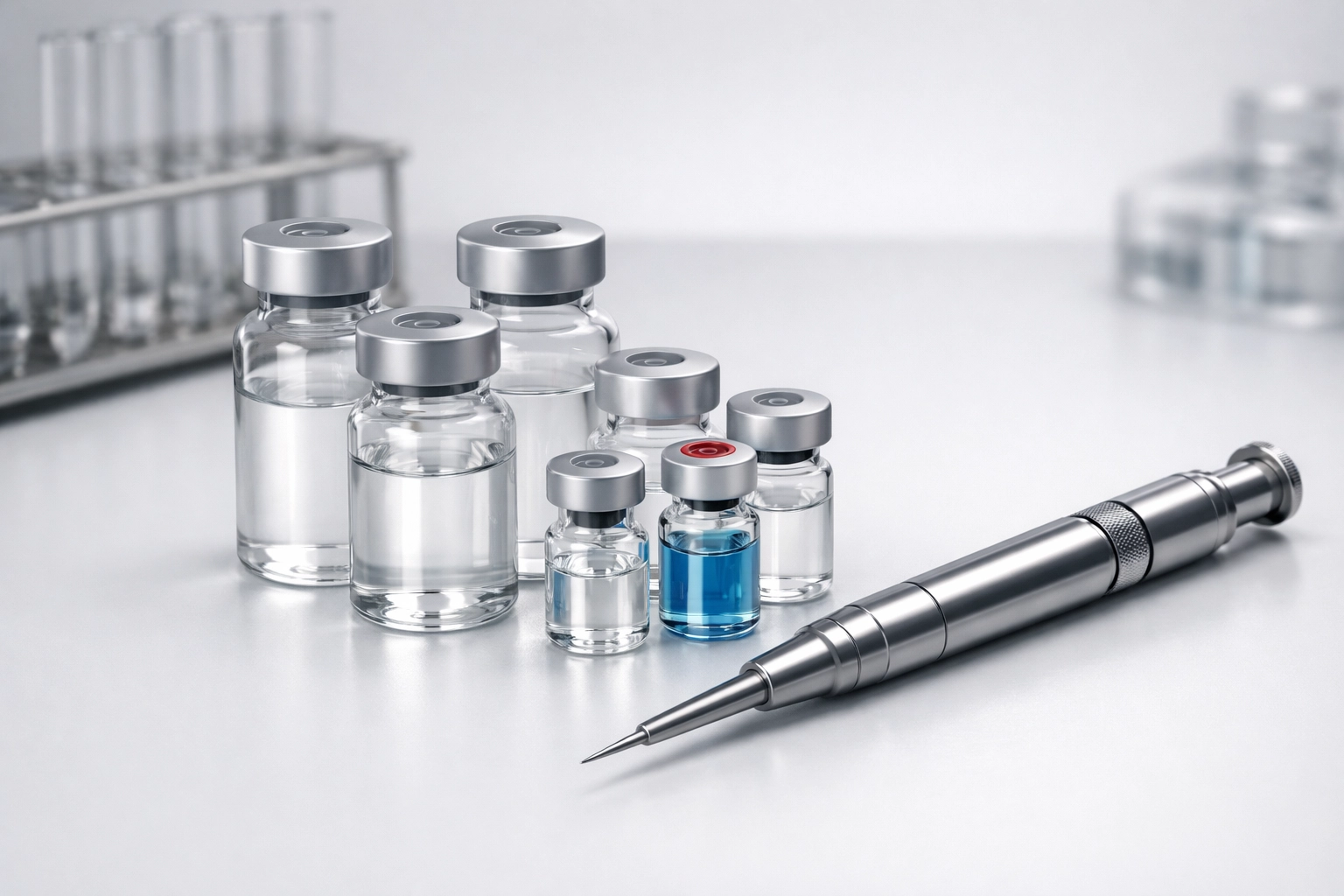
When you’re working with high-purity research chemicals, precision is everything. You can’t just wing it. To get the most out of your Retatrutide research, you need to ensure your reconstitution math is flawless.
Whether you’re dealing with a 10mg or 15mg vial, our Peptide Calculator tool is your best friend. It takes the guesswork out of the equation, ensuring your research subjects receive the exact microgram dosage required for the study.
Don't forget: high-quality research requires high-quality bacteriostatic water and a steady hand. If you’re not using a calculator, you’re not doing science: you’re just guessing.
Why The Wait? The Regulatory Timeline
As of March 2026, we are in a thrilling "window" of opportunity. Phase 3 trials are expected to wrap up by May, with official FDA approval likely in 2027. This means the next 12-18 months are the prime time for researchers to gather data and understand the nuances of this triple agonist before it hits the mainstream market.
Being part of the WeightLossChems community means you get access to these insights and "Exclusive drops" before the rest of the world catches on.

Final Thoughts: The Future is Triple-Armed
Retatrutide isn't just another peptide; it’s the pinnacle of current metabolic engineering. By engaging GLP-1, GIP, and Glucagon simultaneously, it offers a level of efficacy that was previously thought impossible without surgical intervention.
Whether you are looking to unlock new research pathways or simply want to stay at the absolute cutting edge of health and wellness technology, Retatrutide is the compound you cannot afford to ignore.
Ready to elevate your research? Explore our Retatrutide (Ret) product pages today and see why the world of science is undergoing a total transformation.
Welcome to the future of metabolic excellence. Welcome to WeightLossChems.