
Peptide Therapy for Mental Health: A Research Guide to Depression & Anxiety

Hi Mate! Ivan here from WeightLossChems. If you’ve been following the research landscape lately, you know that the world of mental health is undergoing a massive shift. While traditional treatments have served many for decades, researchers are now looking toward the horizon: specifically at how short-chain amino acids, or peptides, might hold the key to unlocking new pathways for emotional resilience, cognitive clarity, and stress management.
Whether you are a seasoned biohacker or a curious researcher looking to expand your lab's portfolio, understanding the intersection of peptide therapy and mental health is essential. We aren't just talking about "feeling better"; we are talking about the hard science of neurogenesis, HPA axis regulation, and the biological fight against chronic stress.
In this guide, we’re diving deep into the most promising research peptides currently being studied for depression, anxiety, and overall brain wellbeing.
The Science of the "Neuro-Revolution"
For a long time, the prevailing theory for depression was the "chemical imbalance" model: specifically a lack of serotonin. While that’s part of the story, modern research has moved toward Neuroplasticity.
Essentially, chronic stress and depression can cause certain areas of the brain, like the hippocampus, to literally shrink. The "scientific luxury" solution currently being explored involves peptides that act as neurotrophic factors. These compounds don't just mask symptoms; they are being studied for their ability to repair, regrow, and protect neurons.
Why Research Peptides?
- Precision Targeting: Unlike broad-spectrum medications, peptides can be engineered to hit specific receptors.
- Neurogenesis: Promoting the birth of new neurons via BDNF (Brain-Derived Neurotrophic Factor) upregulation.
- HPA Axis Recalibration: Helping the body’s "stress thermostat" return to a baseline after years of burnout.

Video Guide: Peptides and the Brain
Before we break down the specific compounds, check out this expert deep-dive into how neuropeptides interact with the central nervous system.
Top Research Peptides for Mental Wellbeing
If you’re looking to Transform your research protocols, these are the heavy hitters currently making waves in the scientific community. You can find many of these in our Brain and Wellbeing category.
1. ACTH 1-39: The Master Regulator
Adrenocorticotropic Hormone (ACTH) 1-39 is a fascinating peptide often studied for its role in the HPA axis. In a research setting, ACTH 1-39 (2mg) is investigated for its potential to modulate the body's response to biological stress.
- Scientific Function: A melanocortin receptor agonist that stimulates the adrenal cortex.
- Physical Contents: Lyophilized (freeze-dried) white powder for reconstitution.
- Research Goal: To understand how modulating cortisol rhythms can combat the physiological "crash" associated with long-term depression.
Check out the research data here: ACTH 1-39
2. Selank & Semax: The "Anxiolytic" Powerhouses
Originally developed by the Institute of Molecular Genetics of the Russian Academy of Sciences, these two are the "VIPs" of brain research.
- Selank: Studied for its ability to reduce anxiety without the "sedative" or "dulling" effects of traditional benzos. It is thought to increase leu-enkephalin, a natural opioid in the body that keeps you calm under fire.
- Semax: Often paired with Selank, Semax is researched for cognitive enhancement and neuroprotection. It’s all about increasing BDNF levels to keep the brain "young" and adaptable.
3. BPC-157: The Gut-Brain Axis Link
You might know BPC-157 as a "body protection compound" for joints, but its role in mental health research is growing. Because the gut and brain are in constant communication (the Vagus nerve), BPC-157’s ability to heal the GI tract is being studied for its secondary effects on mood and neurotransmitter balance.
Targeting Chronic Stress & PTSD: Neuropeptide Y (NPY)
One of the most exciting areas of study involves Neuropeptide Y. Clinical research, including studies from the VA, has shown that individuals suffering from high levels of trauma often have lower baseline levels of NPY.
By introducing NPY in research models, scientists have observed a significant reduction in "fear-seeking" behaviors and a revolutionary shift in stress resilience. This is the definition of Revolutionizing how we look at trauma: moving away from just "talking it out" and moving toward biological reinforcement.
How to Integrate These into Your Research
When you’re working with high-purity research chemicals, the "how" is just as important as the "what." To get the most out of your samples, you need precision.
Step 1: Reconstitution
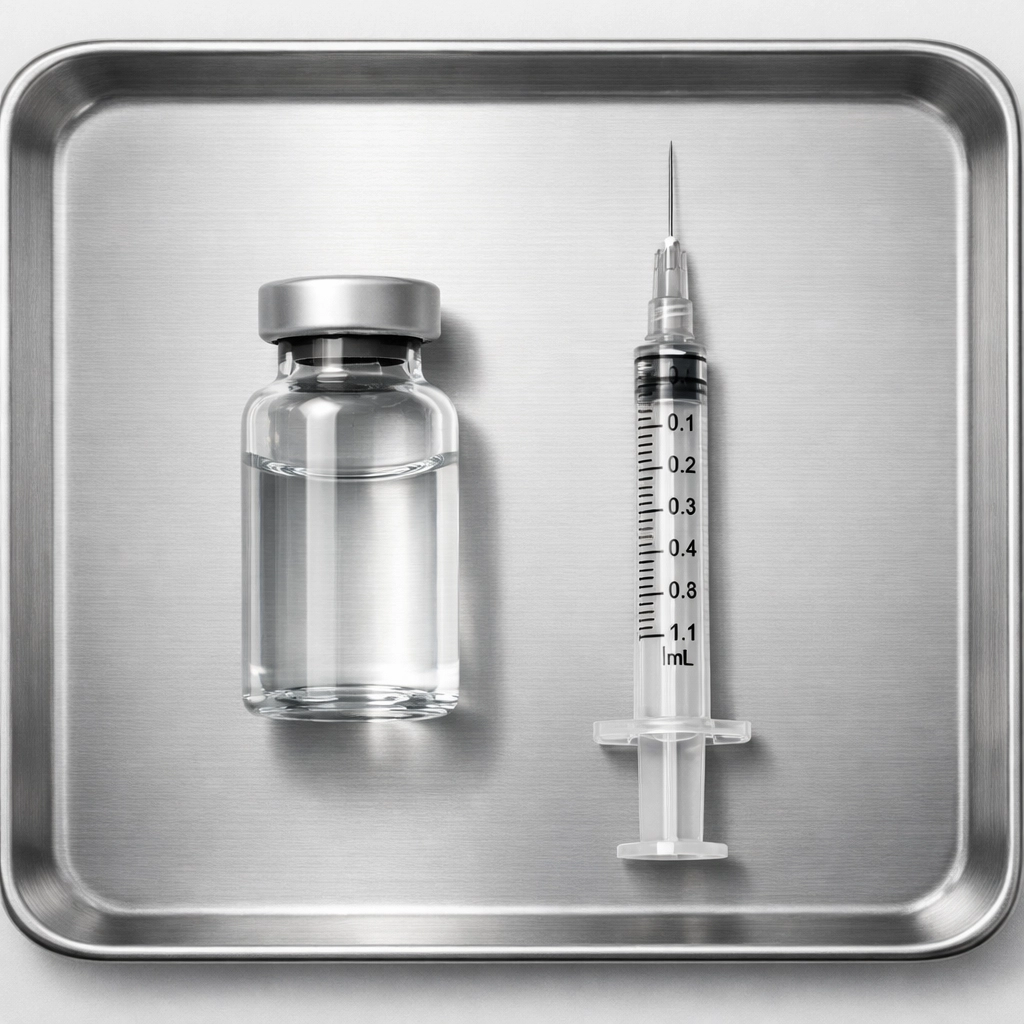
Most peptides, like our ACTH 1-39, arrive as a lyophilized powder. You’ll need Bacteriostatic (Bac) Water to bring them into a liquid state for research.
Step 2: Use a Peptide Calculator
Don’t guess. Precision is the hallmark of an expert researcher. Use a peptide calculator to determine exactly how many micrograms (mcg) are in each tick of your syringe. This ensures your data stays consistent and your research remains valid.
Navigating the "Grey Areas": Quality Matters
Let’s be real, mate: the internet is full of "garage-made" peptides that are more filler than fiber. When you're researching something as delicate as the brain's metabolic pathways, purity is non-negotiable.
At WeightLossChems, we pride ourselves on providing the highest-grade research materials. Our peptides are tested for purity and potency, ensuring that your lab results aren't skewed by contaminants or under-dosed vials. We bridge the gap between dense medical jargon and accessible, goal-oriented lifestyle language.
The VIP Research Club: Join the Elite
Want to stay ahead of the curve? The world of peptide therapy moves fast. New "triple agonist" peptides and neuro-protective compounds are hitting the research market every month.
By joining our community, you get:
- Exclusive Drops: Be the first to know when new brain-health peptides hit the store.
- VIP Insights: Casual, expert breakdowns of the latest clinical trials.
- Direct Access: We help you bypass the technical hurdles of sourcing quality chemicals in Australia.
Explore the full range here: Brain and Wellbeing Category
Final Thoughts for the Modern Researcher
Mental health is the next great frontier in peptide research. We are moving beyond the era of "one-pill-fits-all" and into an era of biological precision. Whether you are investigating the neurogenic potential of Semax or the HPA axis modulation of ACTH 1-39, the goal is clear: Unlock the brain's natural ability to heal and adapt.
Remember, these compounds are for research purposes only. They are powerful tools that require respect, precise measurement, and a deep understanding of the underlying science.
Stay curious, stay safe, and keep pushing the boundaries of what’s possible in the lab.
Ready to start your next project?
Brain and Wellbeing
Disclaimer: All peptides sold by WeightLossChems are intended for laboratory research use only. They are not intended for human consumption or to treat, cure, or prevent any disease. Always consult with a qualified professional before beginning any research protocol.