
Blog
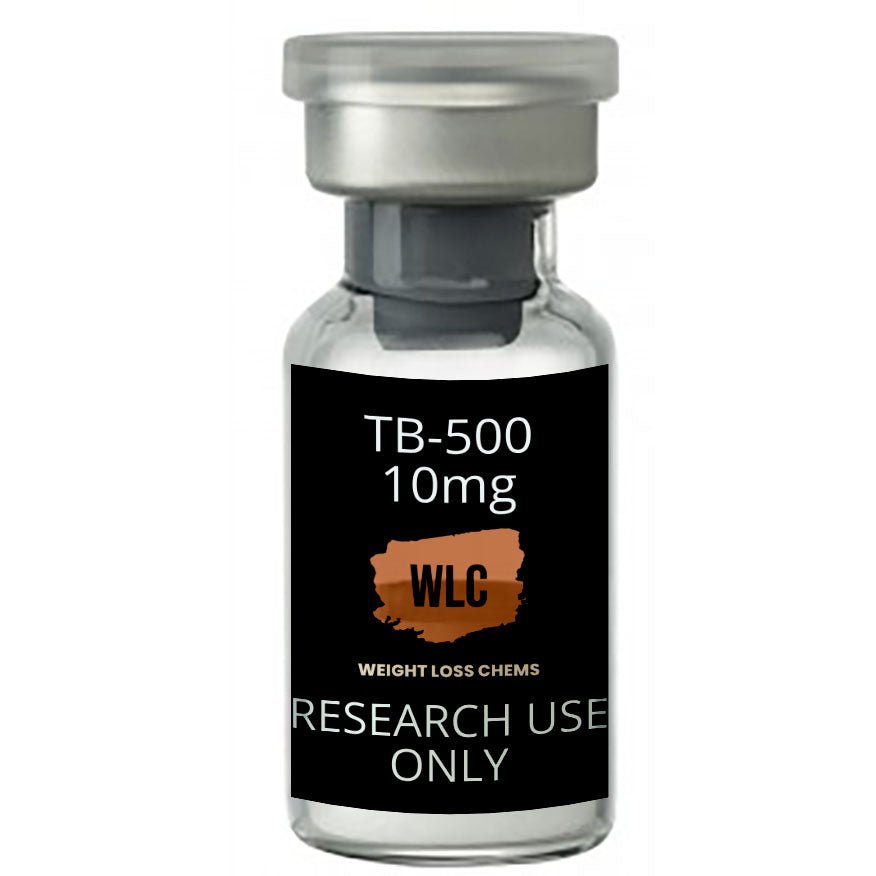

Thymosin beta-4 injury repair peptide
TB-500 is a synthetic fraction of the 43 amino acid protein thymosin beta-4. The main purpose of this peptide is to promote healing. The healing effects of TB-500 have been observed in tendons, ligaments, muscles, skin, heart, and eyes. It aids in the quick healing of wounds by promoting new blood vessel and muscle fiber growth. It upregulates cell building proteins like actin. It is fast acting and goes to the site of the injury once injected and starts to work.
Thymosin Alpha 1 immunoprotectant peptide
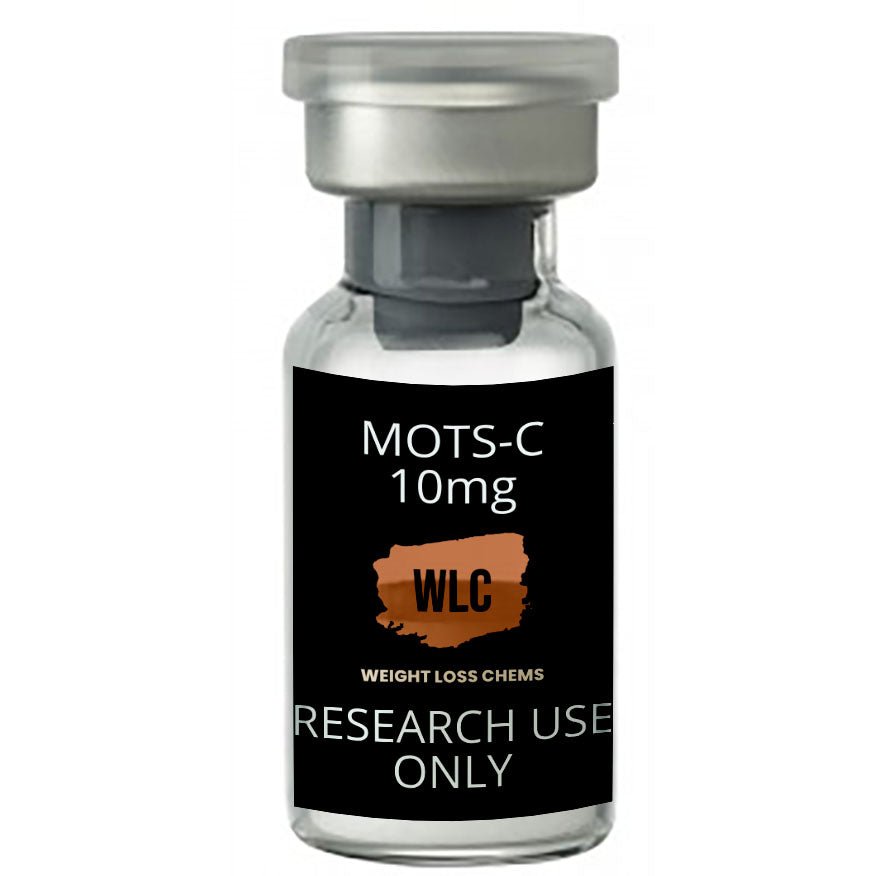
MOTS-C Mitochondrial fed weight loss
Research also shows that skeletal muscle is the major target tissue of MOTS?c. The skeletal muscle enhances insulin sensitivity and increases glucose uptake in myocytes (muscle cells) by activating the AMPK pathway and at the same time without increasing insulin. It is fair to call MOTS?c an exercise?mimetic, meaning it imitates exercise on the body. Exercise also increases muscle glucose uptake without stimulating insulin.
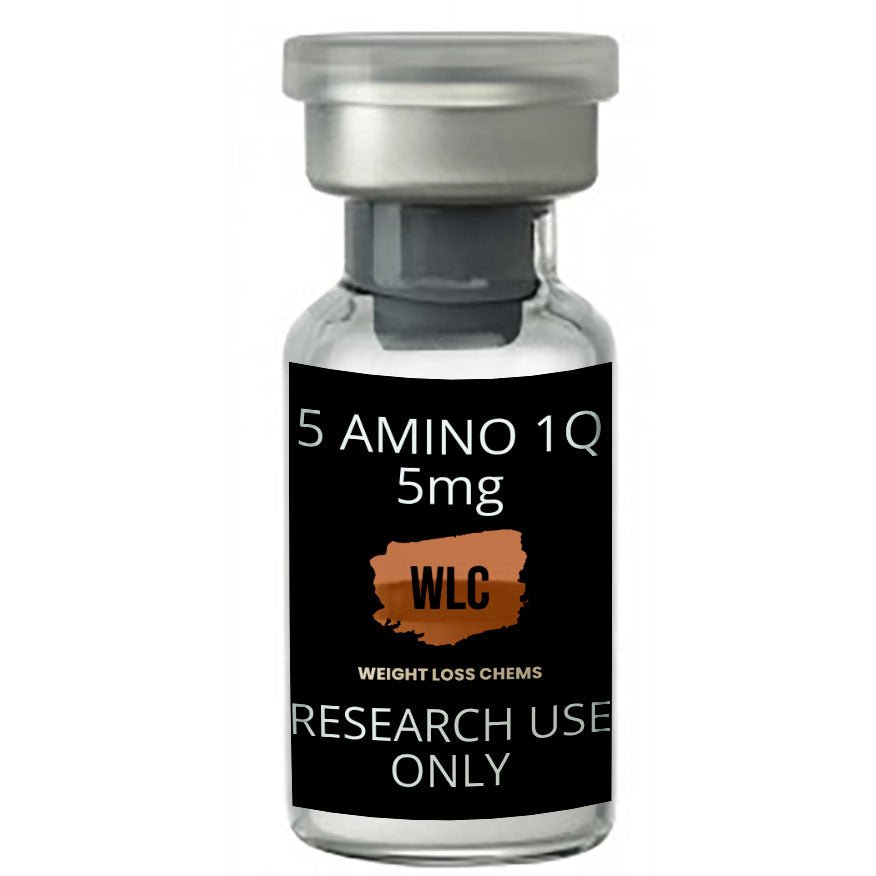
5 Amino mq 1 for NNMT weight loss
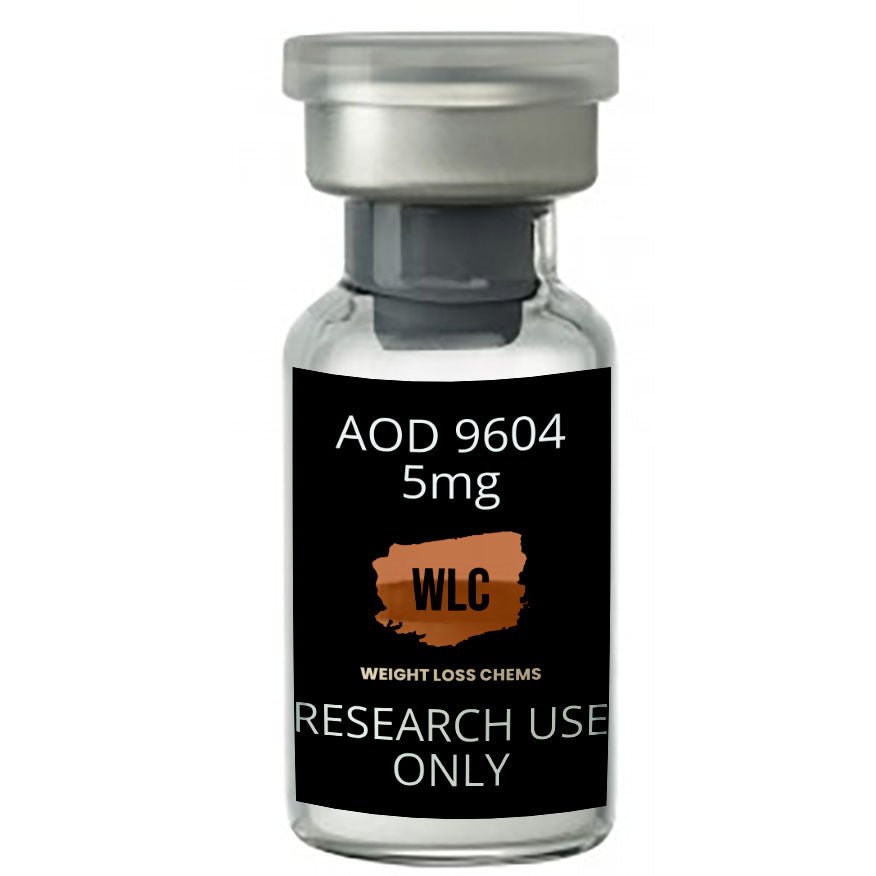
AOD9604 the anti obesity drug
AOD-9604 activates degradation and fat burning (oxidation) by a method that doesn't use the hGH receptor; it has its own mechanism of action independent of hGH. Laboratory studies on rodents, pigs, dogs & humans have identified the AOD-9604 mechanism which triggers fat release from the obese fat cells predominantly and works to reduce the accumulation of new fat in fat cells as well as increase fat burning. What is extraordinary about the AOD-9604 is its ability to reduce abdominal fat stores.
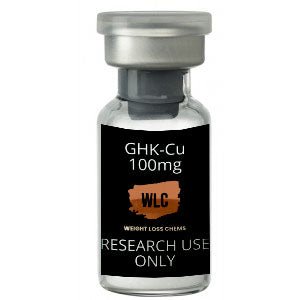
Skincare peptide Ghk-cu
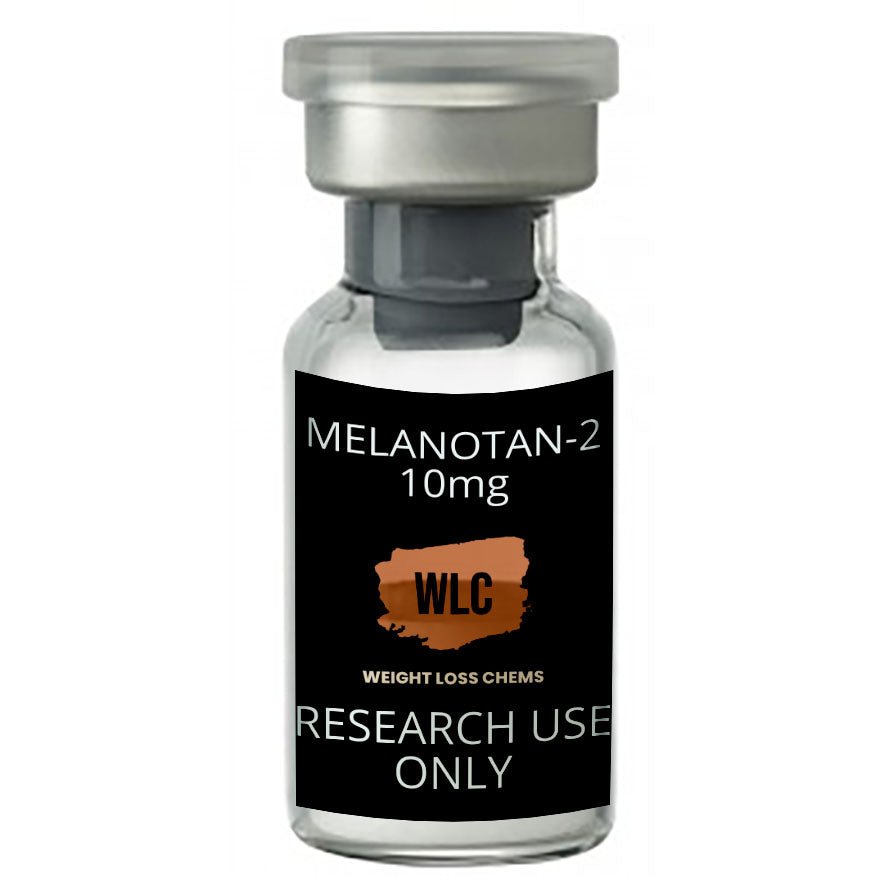
Melanotan the tan in a vial
Clinical trials have shown that use of Melanotan II may hold the potential to promote melanogenesis, with minimal side effects. The primary role of melanogenesis is to protect the hypodermis, which is the layer under the skin from the UV-B light that causes damage. It works by absorbing all of the UV-B light, which blocks its passage into the skin layer.