

Triple Hormone Receptor Agonist Retatrutide: A Breakthrough in Weight Loss for Obesity and Type 2 Diabetes
In conclusion, Retatrutide, as a triple agonist, represents a potential advancement in obesity management, glycemic control, and weight loss for people with type 2 diabetes, particularly when considering its effects on gip and glp-1. The unique receptor interaction of retatrutide, targeting the GLP-1 receptor, GIP receptor, and glucagon receptor, sets it apart from existing treatments like semaglutide and tirzepatide. The clinical trials have shown promising results in terms of weight reduction, indicating that the effect of retatrutide can be significant. As ongoing phase 3 trials continue to evaluate the efficacy and safety of retatrutide, there is optimism that it will become a valuable tool in the fight against obesity and its associated metabolic complications, including metabolic dysfunction-associated steatotic liver disease. With careful monitoring and further research, retatrutide has the potential to transform the way adults with overweight or obesity and patients with type 2 diabetes are treated, offering a more effective and comprehensive approach to weight management. Clinical studies by Eli Lilly and Company may provide an effective treatment of obesity in the future, particularly through the use of glp-1 and glucagon receptor agonist combinations.
Everything you wanted to know about GHK-cu: The Peptide Revolution
The long-term benefits of the GHK-cu peptide extend beyond immediate improvements in skin appearance. Regular use of GHK-cu can lead to sustained improvements in skin health, resilience, and overall vitality. By stimulating collagen production and promoting skin regeneration, the peptide helps to maintain the skin's structural integrity and protect against the effects of aging and environmental damage. The protective actions can also help to prevent the formation of new fine lines and wrinkles, preserving a youthful appearance over time. Furthermore, the ability of GHK-cu to modulate inflammatory responses can contribute to long-term skin health by reducing chronic inflammation and protecting against cellular damage. Overall, the copper peptide GHK-cu promotes long-term skin health and resilience by enhancing collagen and elastin production.
Everything you wanted to know about SLU-pp-332: A New Drug for Metabolic Health
The overall impact of slu-pp-332 on metabolic health is multifaceted and far-reaching, particularly in its effects on skeletal muscle cell lines. By activating estrogen-related receptors and enhancing mitochondrial function, slu-pp-332 can induce improvements in glucose metabolism, lipid profiles, and energy homeostasis. The metabolic effects extend beyond individual tissues, influencing systemic metabolic balance and addressing mitochondrial dysfunction. These positive actions suggest that this new drug can play a crucial role in preventing and treating a range of metabolic disorders, ultimately promoting better metabolic health for individuals at risk.
BPC-157 Peptide Benefits, Use Cases and Research Findings
BPC-157 peptide therapy represents a promising avenue for regenerative medicine. As a gastric pentadecapeptide BPC 157 heals damaged tissues, offering potential applications across various medical fields. While the research is encouraging, it is essential to approach BPC-157 with caution and under the guidance of a qualified healthcare professional. More clinical trials are needed to fully elucidate the therapeutic effects and long-term safety of this intriguing peptide. BPC 157 counteracts several ailments and deserves more research.
Peptides for Fighting Inflammation: Know About Peptides in Skin Care
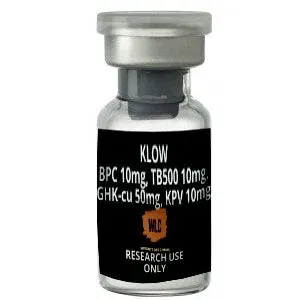
In conclusion, peptides represent a versatile and promising class of compounds with significant potential for fighting inflammation and promoting overall health. Their diverse range of functions, from modulating the immune response to promoting tissue repair, makes them valuable therapeutic agents. The benefits of peptides extend to various areas, including skin care, wound healing, and the management of inflammatory conditions. As research continues to uncover new applications for these remarkable molecules, it's important to approach peptide therapy with informed awareness and under the guidance of qualified healthcare professionals. Embracing the potential of peptides may pave the way for innovative and effective strategies for better health and well-being. The use of peptides in skin care is increasingly popular, particularly with the rise of collagen peptide supplements.
Discovering the Best Neurobooster: P021 vs. Cerebrolysin
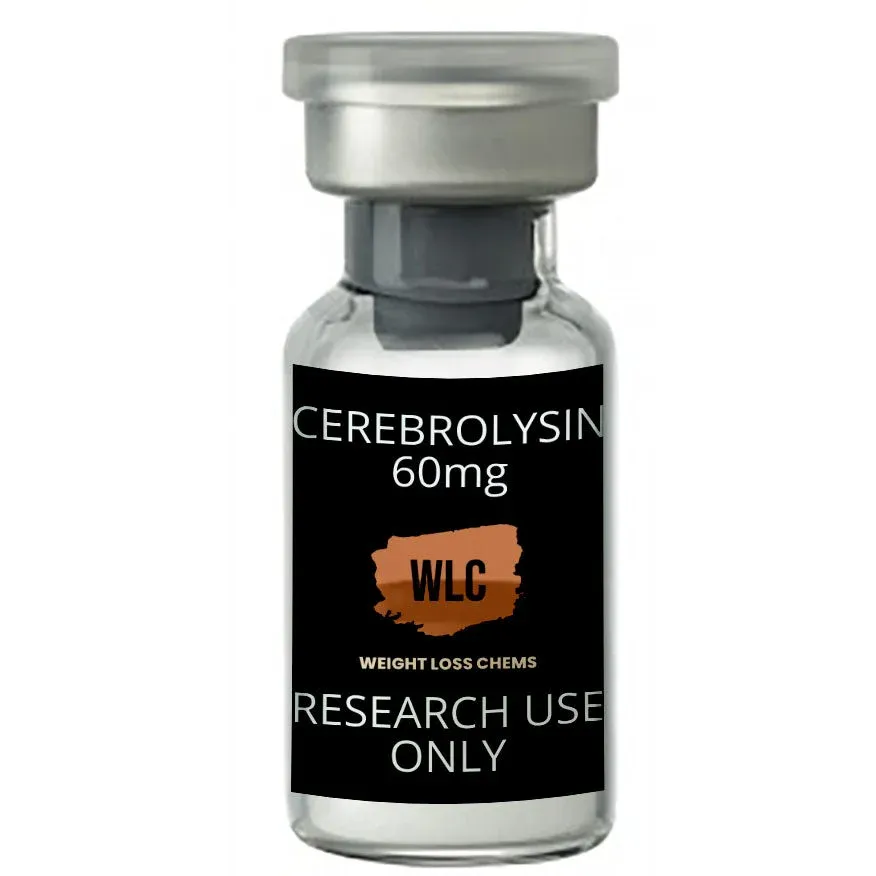
the comparative analysis of P021 and Cerebrolysin has elucidated their distinct mechanisms of action and implications for cognitive enhancement. P021, a peptide-based neurobooster, operates through the modulation of neurotransmitter release, while Cerebrolysin, characterized by its neurotrophic factors, facilitates neuroprotection and promotes neurogenesis. These differences are crucial for potential users aiming to address specific cognitive enhancement goals, be it memory improvement or increased focus.
Unlock Your Energy: 3 Mitochondrial Secrets Revealed
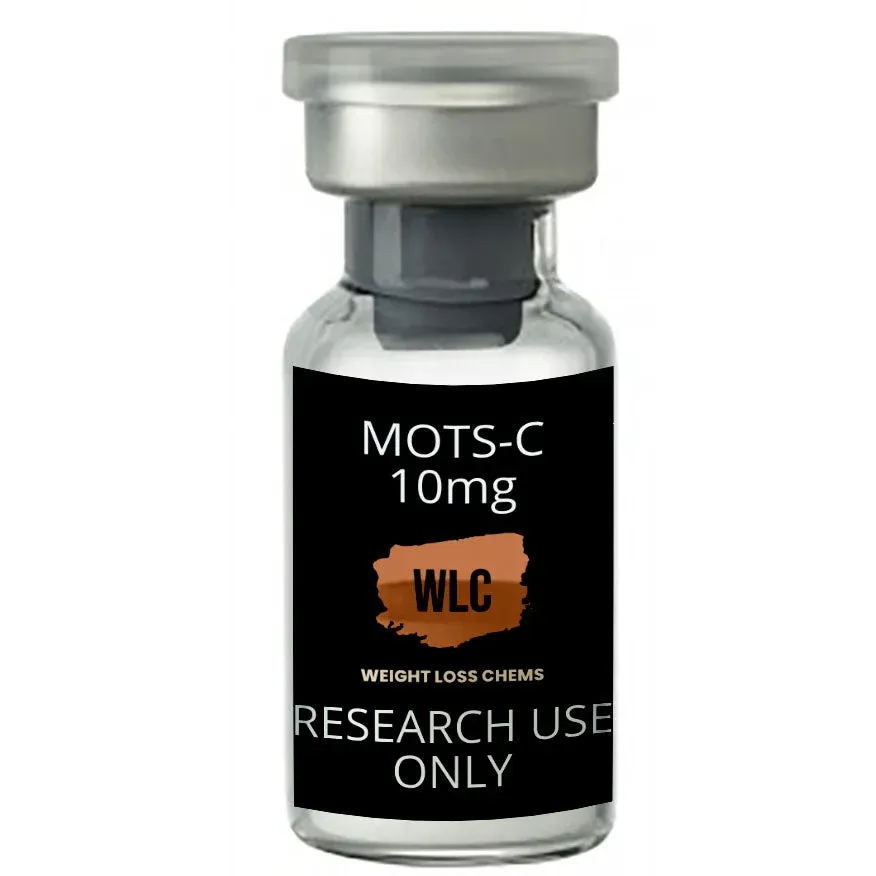
the significance of mitochondrial health cannot be overstated, as it serves as a pivotal factor in the generation of cellular energy and overall physiological well-being. The careful integration of strategies involving SS31, AICAR, and MOTS-c has been demonstrated to enhance mitochondrial function, thus potentially mitigating the adverse effects of aging and lifestyle-related decline in energy levels. These approaches not only hold promise for biohackers and health enthusiasts but also for a broader population seeking improved vitality and well-being.
Turbocharge Your Energy: AICAR and MOTS-c Synergy
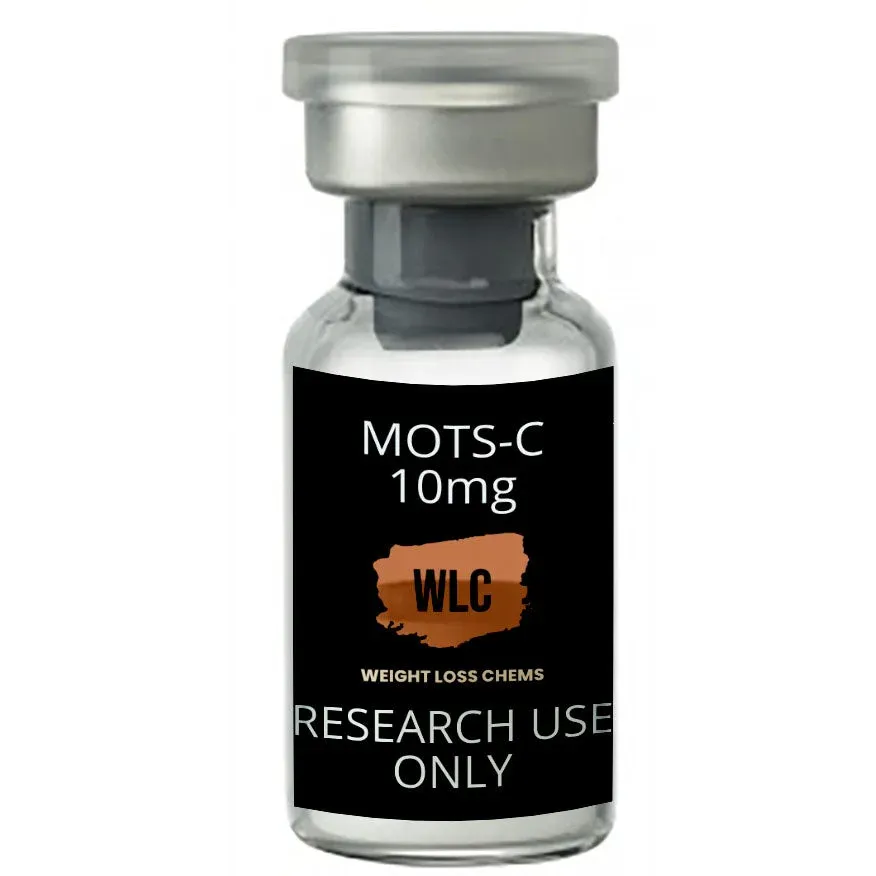
AICAR and MOTS-c have been demonstrated to offer substantial benefits for enhancing mitochondrial function, thereby promoting energy production and improving athletic performance. AICAR's role in glucose metabolism and endurance enhancement, coupled with MOTS-c's ability to foster cellular resilience and metabolic flexibility, establishes a compelling case for their combined usage. The evidence presented within the existing literature underscores the effectiveness of these two compounds not only in optimizing athletic outcomes but also in contributing to overall wellness.