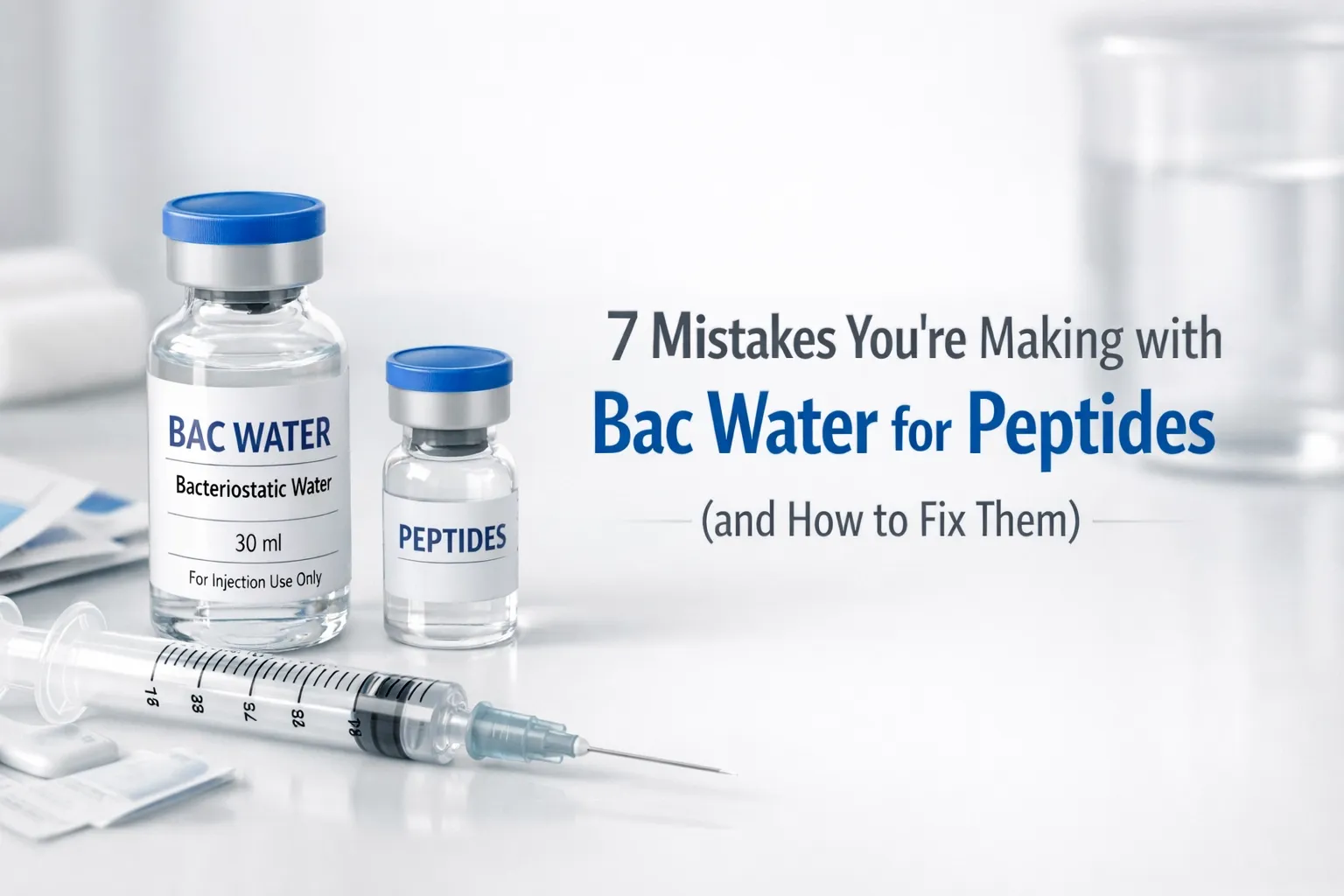
7 Mistakes You’re Making with Bac Water for Peptides (and How to Fix Them)

Hi Mate! If you’re here, you’re likely deep into the world of research peptides, looking to unlock the next level of metabolic mastery or physiological optimization. At WeightLossChems, we know that high-tier research requires more than just premium compounds: it requires precision in the preparation process.
One of the most overlooked components in any laboratory setting is the solvent. Specifically, bacteriostatic water (Bac water). It seems simple enough, right? It’s just water with a preservative. But in the realm of high-stakes science, the "simple" things are often where the most critical errors occur. Using bac water for peptides incorrectly can lead to denatured proteins, lost potency, or even contaminated samples that ruin weeks of hard work.
Today, we’re pulling back the curtain on the 7 most common mistakes researchers make with Bac water and how you can fix them to revolutionize your research quality. Welcome to the VIP guide to peptide reconstitution.
1. The "One-Size-Fits-All" Solvent Fallacy
The biggest mistake is assuming that every peptide is compatible with the benzyl alcohol found in Bac water. While bac water for peptides is the industry standard for its antimicrobial properties, some high-tech triple agonists and specific GLP-1 analogs are incredibly sensitive.
Why it’s a problem:
Bac water contains 0.9% benzyl alcohol. This is a "harsh" environment for fragile molecular chains. Peptides like oxytocin, desmopressin, or certain delicate growth factors can degrade almost instantly when they hit benzyl alcohol.
The Fix:
Always consult the scientific stability data for your specific compound. If the peptide is sensitive to alcohol, "Unlock" its true potential by using sterile water or a specific saline solution instead. Check our resources at weightlosschems.com for compatibility charts.
2. "Blasting" the Lyophilized Powder
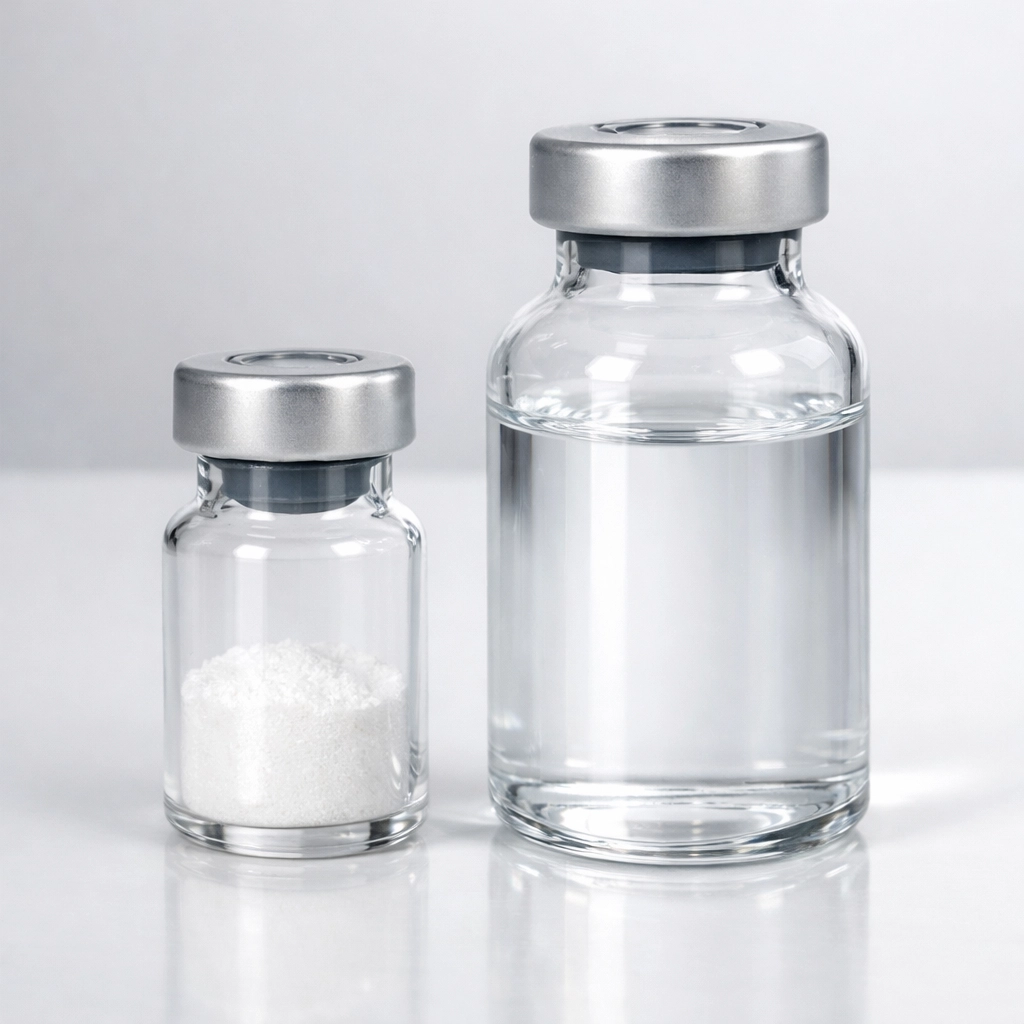
We get it: you’re excited to start the study. But "blasting" the solvent directly onto the delicate lyophilized (freeze-dried) powder is a recipe for disaster.
Why it’s a problem:
Peptides are fragile protein structures. When you inject Bac water directly onto the powder at high pressure, the mechanical force can "shear" the molecules. This leads to protein denaturation: essentially "killing" the peptide before it even leaves the vial. If you see foam or bubbles, you’ve likely introduced too much stress to the sample.
The Fix:
Aim the needle at the glass wall of the vial. Let the Bac water trickly down slowly, making contact with the powder gently. Think of it as a "scientific luxury" treatment for your compounds.
3. The Math Trap: Miscalculating Concentrations
Math errors are the silent killer of research accuracy. If you’re aiming for a specific mg/mL concentration but add the wrong volume of Bac water, your entire dataset is compromised.
Why it’s a problem:
A slight error can result in a dose that is 10x too high or too low. This doesn't just skew results; it creates an "uncontrolled variable" that makes your research impossible to replicate.
The Fix:
Use a dedicated peptide calculator. Before you even touch a syringe, write down your math:
- Total mg of peptide / Total mL of Bac water = Final concentration.
- Double-check your volume markings. Precision is the hallmark of a VIP researcher.
4. Aggressive Agitation (The "Shake" Mistake)
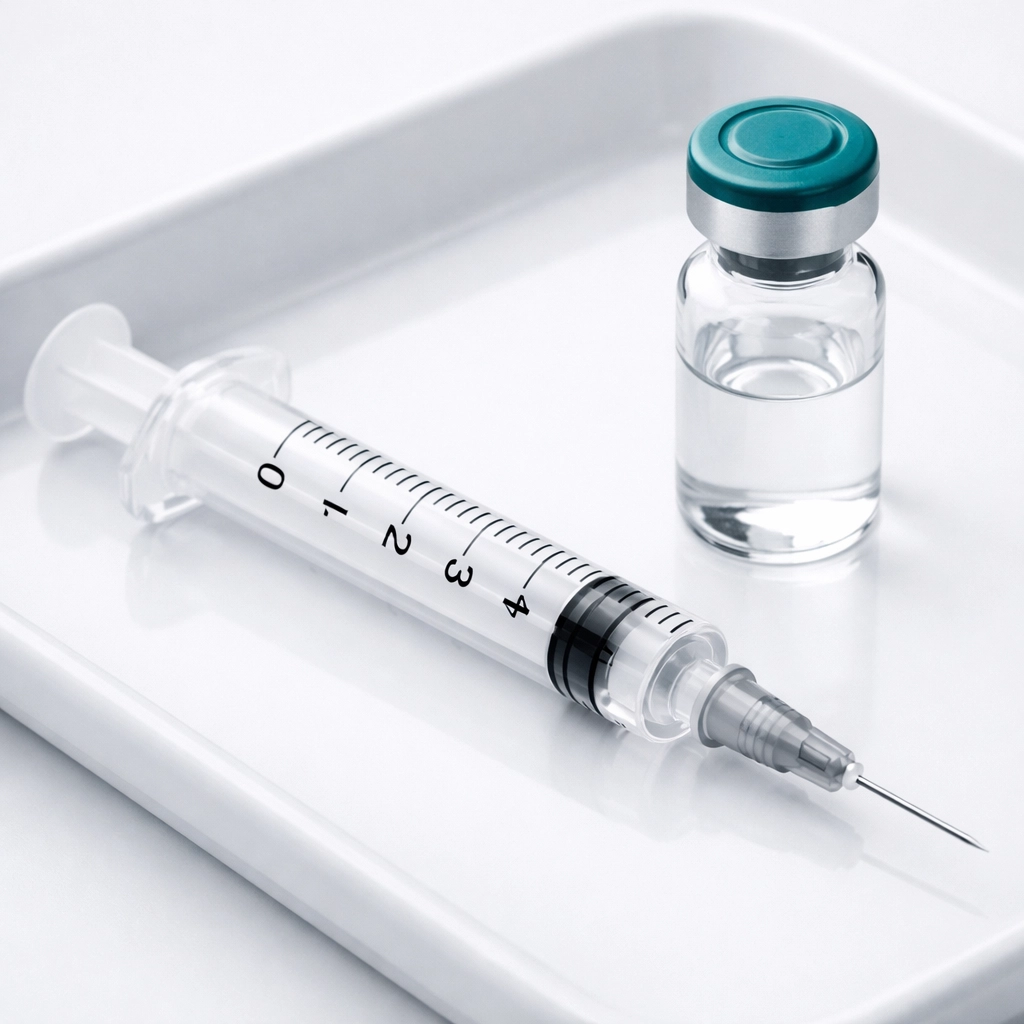
After adding your bac water for peptides, your first instinct might be to shake the vial to speed up the process. Don't do it.
Why it’s a problem:
Vigorous shaking creates kinetic energy and air bubbles that lead to aggregation. When peptides aggregate, they clump together and lose their biological activity. Your "high-tech solution" just turned into an expensive vial of useless liquid.
The Fix:
Patience is a virtue in the lab. Gently swirl the vial between your fingers. Do not shake. If the peptide is stubborn, let it sit in the refrigerator for 10–15 minutes; often, it will dissolve on its own through passive diffusion.
[YouTube Video Placeholder: How to Reconstitute Peptides Properly]
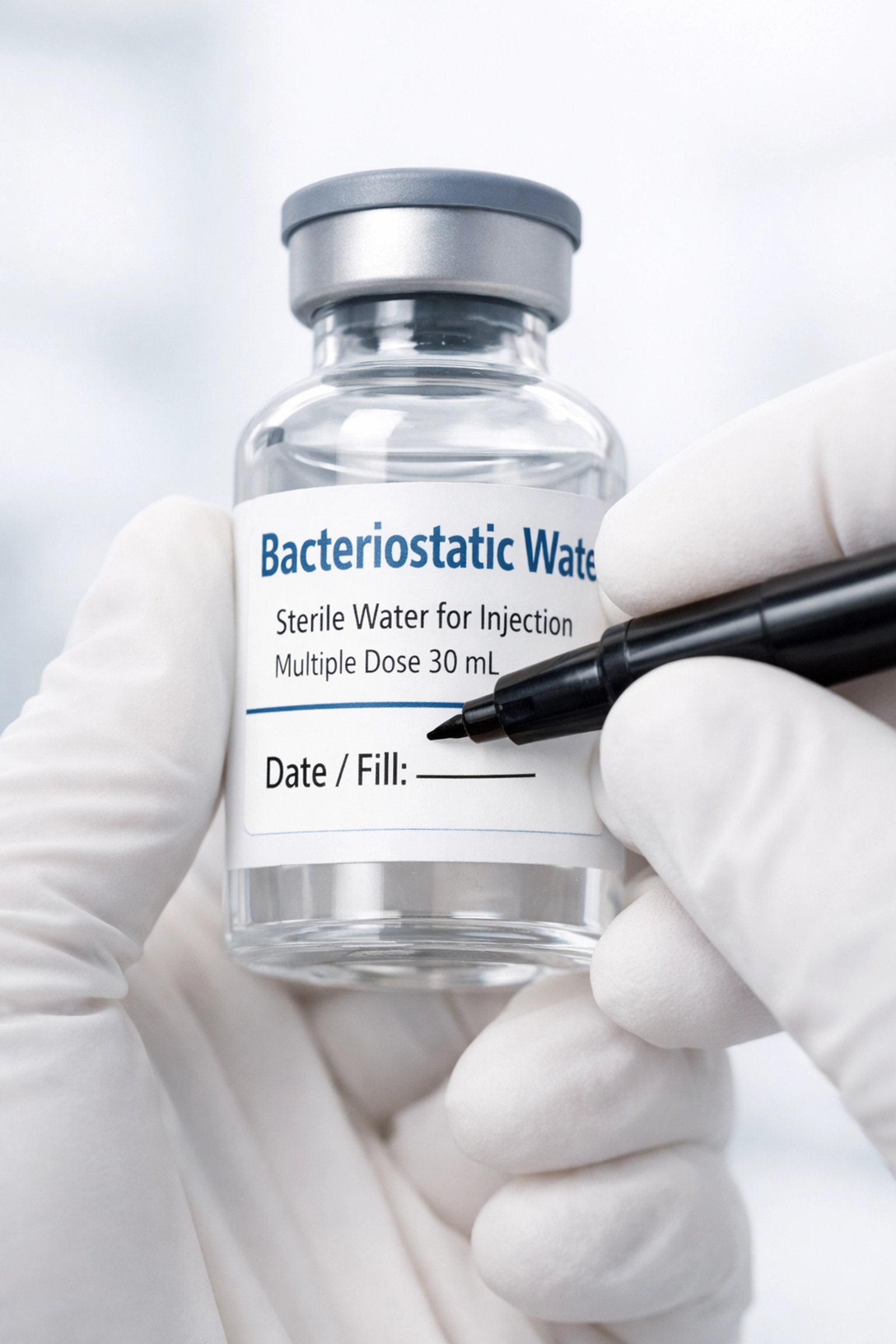
5. Ignoring the "30-Day Rule" for Bac Water
Once a bottle of Bac water is opened, the clock starts ticking. Many researchers continue to use the same bottle of Bac water for months, thinking the benzyl alcohol keeps it "forever sterile."
Why it’s a problem:
The preservative properties of 0.9% benzyl alcohol are only guaranteed for about 28 to 30 days after the stopper has been breached. After that, the risk of bacterial growth increases exponentially, which can "Combat" the very integrity of your research peptides.
The Fix:
Mark the date of first use on your Bac water vial with a permanent marker. After 30 days, discard it. It’s a small price to pay to "Transform" your lab safety standards.
6. Cold Shock and Temperature Mishandling
Storage is where most "Research Peptides" go to die. Many people know they need to keep their reconstituted peptides in the fridge, but they handle the Bac water incorrectly.
Why it’s a problem:
Reconstituting a cold peptide with room-temperature Bac water (or vice versa) can cause "thermal shock." Rapid temperature changes can destabilize the molecular bonds in the peptide. Furthermore, storing Bac water in direct sunlight can degrade the benzyl alcohol, rendering it ineffective.
The Fix:
Allow both your peptide vial and your Bac water to reach a similar temperature before mixing. Store your Bac water in a cool, dark place (the fridge is fine, but not required until the peptide is mixed). Always keep the final solution refrigerated between 2°C and 8°C.
7. Overlooking pH and Ionic Strength
Not all research environments are equal. The pH of your solvent can drastically change the solubility and stability of your peptide.
Why it’s a problem:
Some peptides require an acidic environment (like a pH of 4.0) to remain stable. Standard bac water for peptides usually sits around a neutral pH. If your specific compound requires a different acidity to prevent "degradation" of sensitive bonds, Bac water alone might cause the peptide to precipitate or fall out of solution.
The Fix:
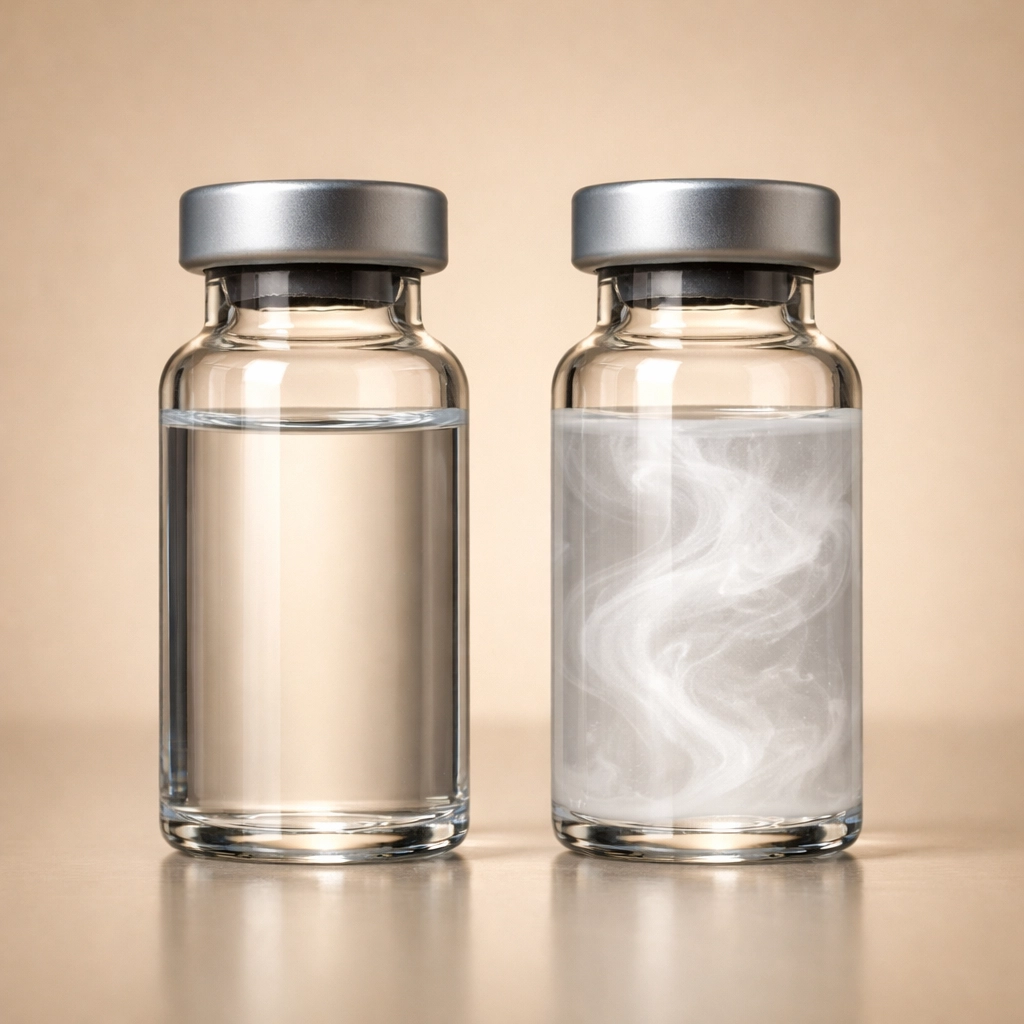
Read the manufacturer's spec sheet. If a buffer or a specific pH-adjusted solvent is required, do not substitute it with standard Bac water. If you see "floaties" (precipitates) in your vial after mixing, it’s a sign the pH or ionic strength is off.
[YouTube Video Placeholder: Peptide Storage and Stability Tips]
The WeightLossChems Professional Checklist
To ensure you’re always operating at a "VIP Club" level of scientific accuracy, follow this quick checklist every time you prepare a sample:
- Sanitize: Clean the tops of both vials with 70% isopropyl alcohol.
- Pressure Equalization: Draw air into your syringe equal to the amount of Bac water you intend to pull, then inject that air into the Bac water vial to prevent a vacuum.
- Slow Flow: Allow the vacuum in the peptide vial to pull the water in slowly, or control the plunger manually to "trickle" the solvent.
- The Visual Test: Ensure the solution is crystal clear. If it’s cloudy, check your pH or dissolution time.
- Secure Storage: Place the reconstituted vial in a protected spot in the fridge away from the door (to avoid temperature fluctuations).
Revolutionize Your Research Today
Your research is only as good as your preparation. By avoiding these 7 common mistakes, you "Combat" the variables that lead to failed experiments and "Unlock" the door to groundbreaking results.
Whether you are looking for the latest triple agonists or essential lab supplies, WeightLossChems is your partner in scientific excellence. We provide the high-tech solutions you need to "Transform" your metabolic studies.
Ready to start your next study?
Explore our premium range of research compounds and essential supplies at weightlosschems.com.
Stay precise, stay professional, and let’s push the boundaries of science together!